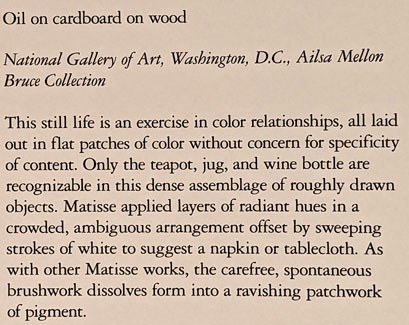
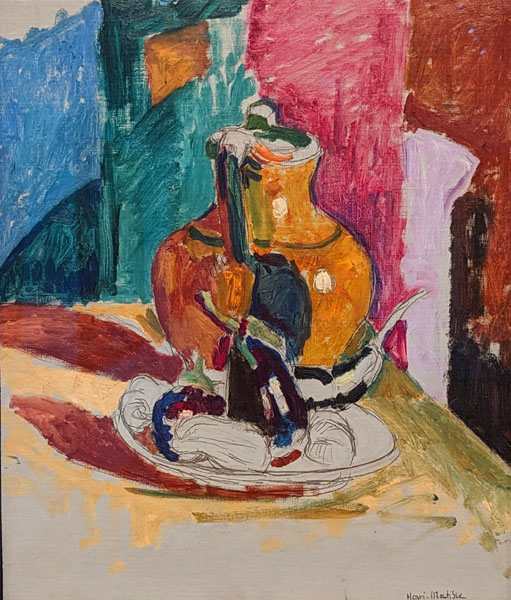
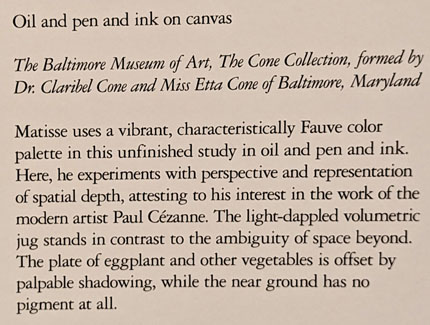
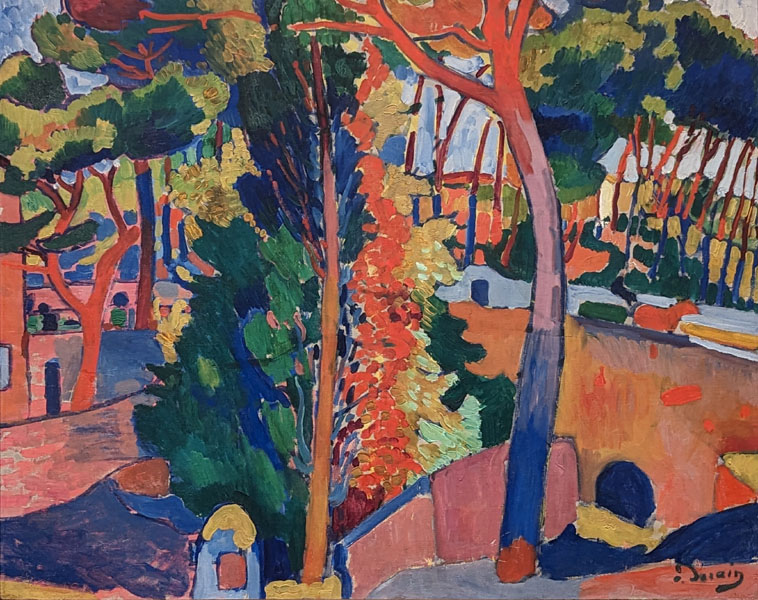
|
May 8 - June 2, 2024: A Trip to Ecuador |
|
April 8, 2024: The Total Eclipse of the Sun |
|
Return to the Index for 2024 |
Our next trip after the eclipse was an outing to Houston to meet up with Prudence, Ron, and Nancy, to stay at their favorite hotel- the Zaza Hotel in the museum district- and to go to see the exhibit of early Fauvist art at the Houston Art Museum right near the hotel.
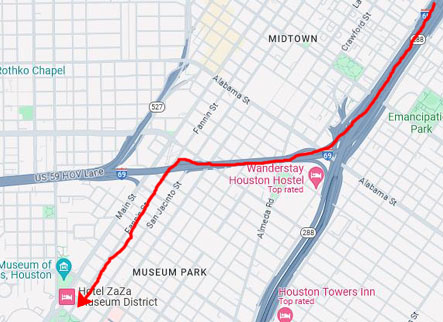
Getting to Houston and the Zaza Hotel
|
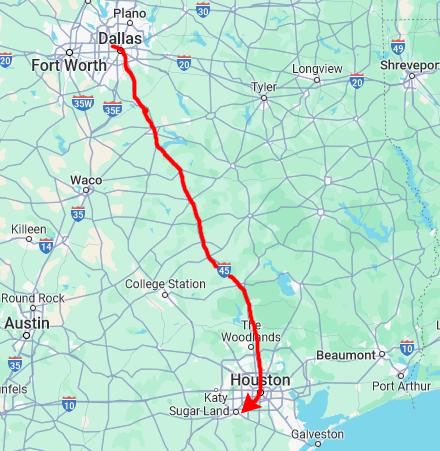
So all we had to do was head over on Lemmon Avenue to US 75, and then hop on 75 South; this expressway turns into I-45 South to Houston. It was a pleasant drive down, taking about three hours.
|
On the way through the expressway network of Houston, Fred was able to get some good pictures of downtown Houston. Houston is bigger than Dallas, its downtown reflects that.
|
|
|
|
We arrived at the hotel about fifteen minutes before the time we'd set with Prudence.
|
The hotel is also five minutes from the Houston Zoo and Rice University, and even closer to the MD Anderson Cancer Center. The hotel has over 300 guest rooms which, at this price point, are very nicely appointed and decorated. Of course there is wireless Internet available; this seems standard even in budget motels these days.
We didn't have time to use the spa, or even the pool, sauna, or fitness center, but we did take a couple of meals at the hotel's patio restaurant; their breakfasts are really quite good. But it's not so much what the hotel offers as it is where it is located. We are here to visit the exhibit of Fauvist Art at the museum, and we can walk there in less than a minute. As I said, Hermann Park is just south of the hotel, so there were plenty of opportunities to take a stroll and walk Jax at the same time.
The last time we were here, we took quite a few pictures around the hotel, but this time the only one was a picture that Fred took of me and Prudence and Jax, just before we headed over to the park for a walk.
In Hermann Park
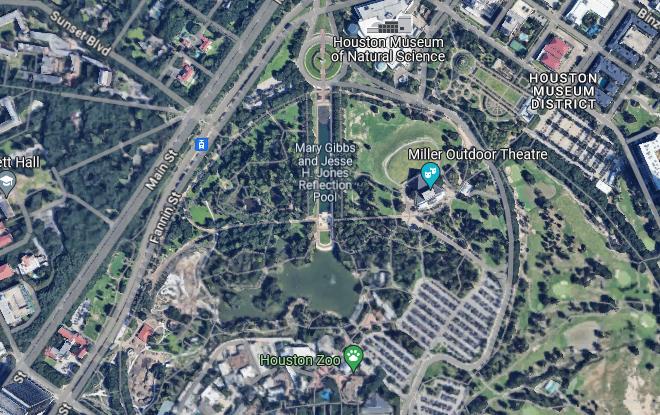
Hermann Park is a 445-acre urban park situated at the southern end of the Houston Museum District. The park is located immediately north of the Texas Medical Center and Brays Bayou, east of Rice University, and slightly west of the Third Ward. Hermann Park is home to numerous cultural institutions including the Houston Zoo, Miller Outdoor Theatre, the Houston Museum of Natural Science, and the Hermann Park Golf Course, which became one of the first desegregated public golf courses in the United States in 1954. The park also features the Mary Gibbs and Jesse Jones Reflection Pool, numerous gardens, picnic areas, and McGovern Lake, an 8-acre recreational lake.
|
|
|
The opening of the Houston Zoo in 1922 and the requisition of a large southern portion of the park for the establishment of the Texas Medical Center in 1943 fundamentally altered the scope and configuration of the space, though significant elements of the Kessler plan— such as the north-south axis extending from Montrose Boulevard— remain and have been expanded upon. Hermann Park experienced a period of neglect in the latter half of the 20th century due to a lack of funding and maintenance, spurring the formation of the nonprofit Hermann Park Conservancy in 1992. The Conservancy has since leveraged over $120 million of public and private funds to renovate and remake broad areas of the park. Today, Hermann Park welcomes over six million visitors annually; the Houston Zoo was the second most visited paid-admission zoo in the United States in 2016 (behind San Diego Zoo), with over 2.5 million visitors.
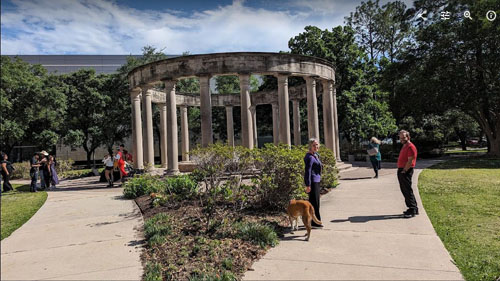
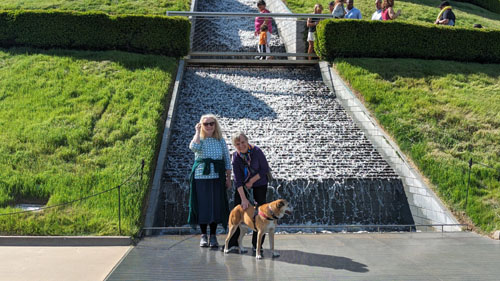
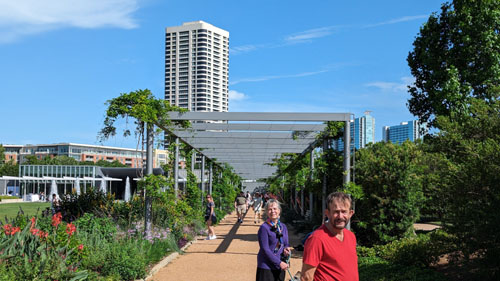
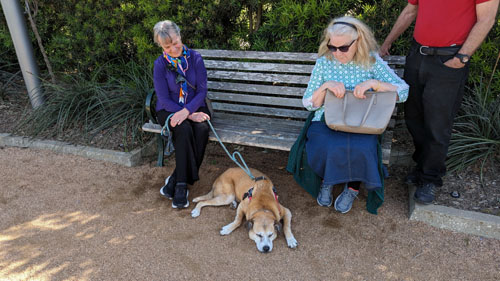
We were over in the park two or three times each day- mostly to walk Jax. And on those outings, Fred and I took some candid pictures, but not nearly as many as we did the first time we were here a few years ago. Let's just take a look at some of these pictures:
|
|
|
|
|
|
On the 14th, we got up a bit early to join Prudence and Nancy on an early morning walk with Jax.
|
|
|
|
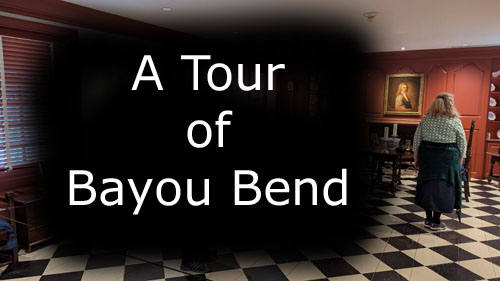
A Visit to Bayou Bend
Bayou Bend Collection and Gardens, located in the River Oaks community in Houston, Texas, United States, is a 14-acre facility of the Museum of Fine Arts, Houston (MFAH) that houses a collection of decorative art, paintings and furniture. Bayou Bend is the former home of Houston philanthropist Ima Hogg. Bayou Bend was marked with a Texas Historical Commission marker in 1973 and was listed in the National Register of Historic Places in 1979.
|
|
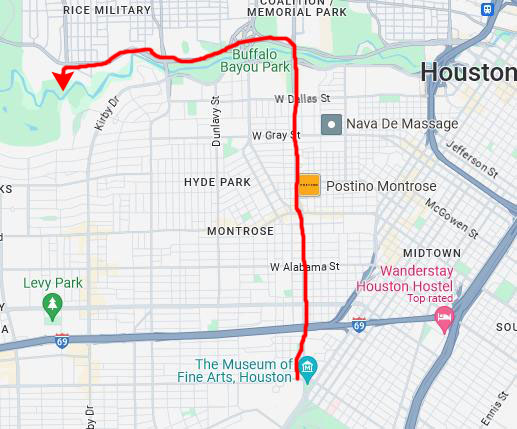
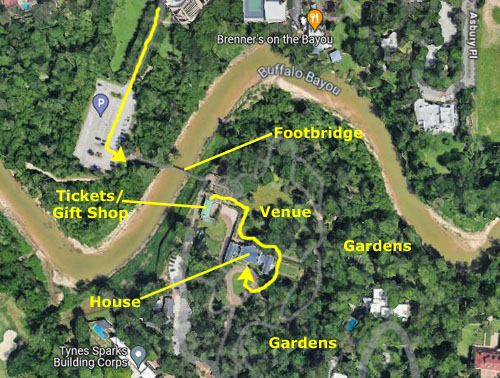
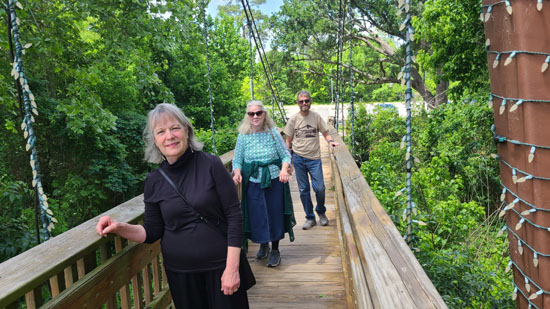
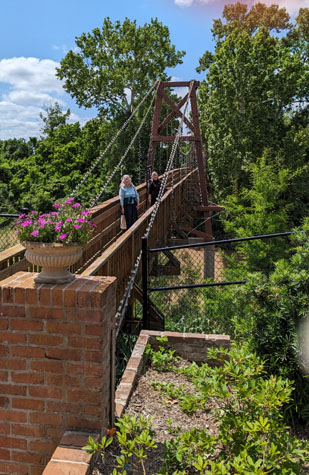
There, we found that the Bayou Bend complex (house, gardens, and event venue) is on the south side of Buffalo Bayou, and that there was a bridge across what is essentially a large creek to get to the house itself.
|
On the south side of the bayou, we stopped in the ticket office/gift shop to get our tickets to tour the house (touring the gardens is free). With our other museum memberships in Dallas and San Antonio, we got a pretty hefty discount (although it wasn't all that expensive to begin with).
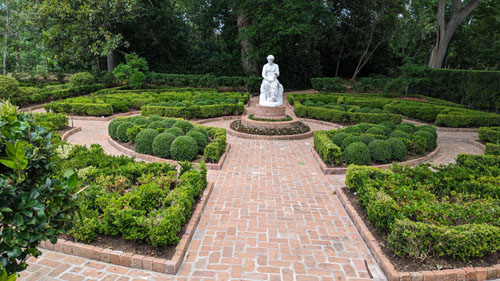
In front of the mansion there is an event venue space, and you can also walk through some of the statuary in the gardens, but because they were setting up for some kind of wedding event or reception or dinner, we didn't want to walk through or around those preparations to get up close looks at this particular sculpture.
We did take a couple of pictures as we walked across the porch at the front of the house to get around back where the entrance was:
|
|
The centerpiece of the complex was, of course, the mansion, which is now used by the Museum of Fine Arts to display not only the possessions of the children of James Stephen Hogg- Texas' first native-born Governor.
|
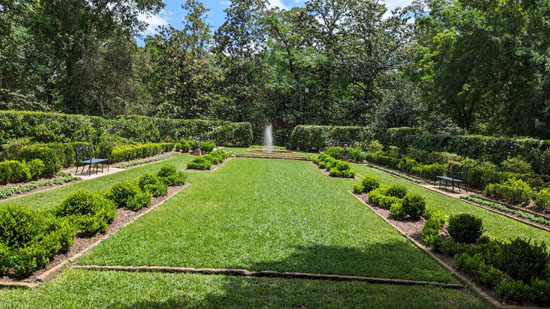
Miss Hogg created a series of gardens that were intended as outdoor rooms for living and entertaining. In 1957, Miss Hogg donated her home and her collection to the Museum of Fine Arts, Houston. Bayou Bend opened to the public in 1966.
Staub's plan for Bayou Bend combined eighteenth-century Georgian architecture with elements that are distinctly Southern and of Spanish Creole architecture. Other aspects of Bayou Bend's design are borrowed from Southern plantation houses. The interiors borrow more heavily from the architectural traditions of the North. Staub incorporated floorboards and paneling from two eighteenth-century Massachusetts houses in Miss Hogg's bedroom and sitting room. In February 1999, the city of Houston named Bayou Bend an official city landmark.
|
In September 2008, the winds of Hurricane Ike caused extensive damage to the gardens. Although none of the statues were damaged, between 65 and 70% of the pine trees on the grounds had fallen, as had an American holly tree, which at 55 feet was the tallest of its kind in Harris County, Texas. Bart Brechter, the Curator of Gardens at the museum, estimated that it would take 5 months to clear the debris and could take years to bring the gardens to their former state.
We made our way around the east side of the house to the visitor entrance on the south side. There, we were given a little talk by the docent (emphasizing that we shouldn't touch anything or leave the roped path). The path began at the east side of the house, crossed through most of the rooms to the west side, then went up to the second floor and back to the starting point.
The collection at Bayou Bend presently consists of approximately 4,700 objects that reflect historic and stylistic periods from 1620 to 1870 installed in some 28 period room settings that showcase American decorative arts from 1620 through 1870. Miss Hogg began assembling this important collection of American decorative arts in 1920. To provide suitable settings for these extraordinary antiques, Staub designed simple but stately interiors in the style of colonial American rooms.
|
As I followed the roped pathway through the house, I took pictures of each room (sometimes multiple pictures) to record all that I saw in the house. I have put these pictures in a slideshow so that you can easily follow me along on my tour of the house.
To view the slideshow, just click on the image at left and I will open the slideshow in a new window. In the slideshow, you can use the little arrows in the lower corners of each image to move from one to the next, and the index numbers in the upper left of each image will tell you where you are in the series. When you are finished looking at the pictures, just close the popup window.
The tour of the house was pretty amazing, but it was time to get back to the Zaza so we could go over the Fauvism exhibit.
|
|
|
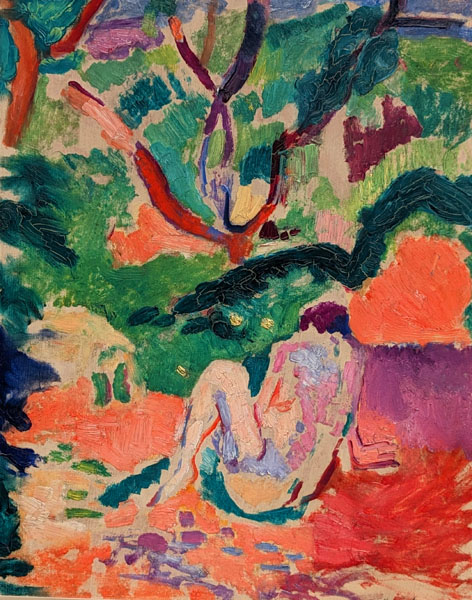
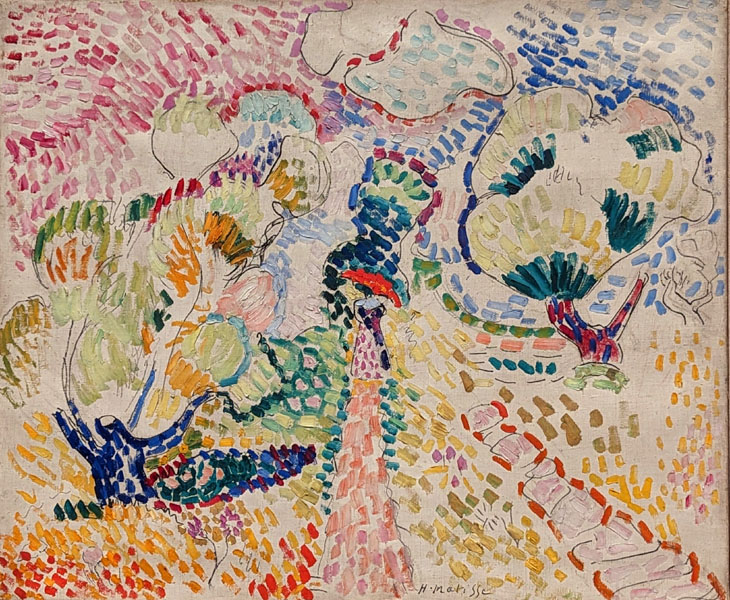
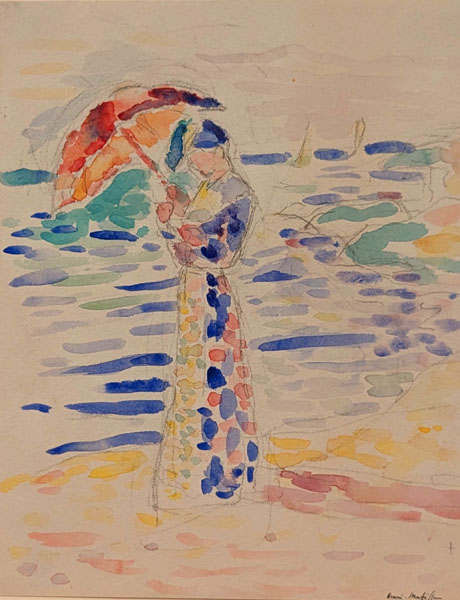
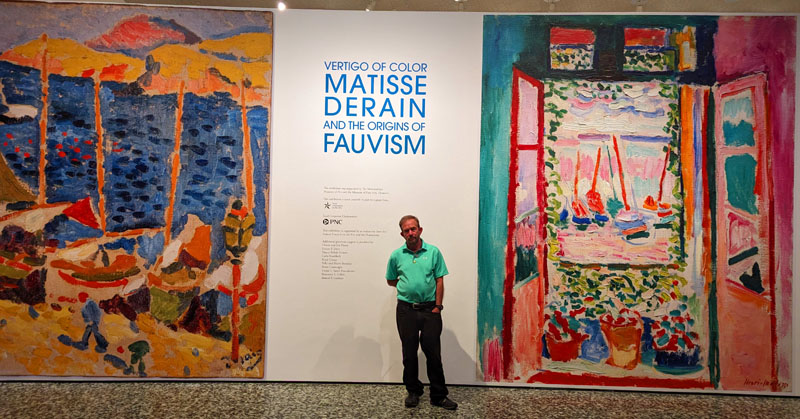
"Vertigo of Color": Matisse, Derain, and the Origins of Fauvism
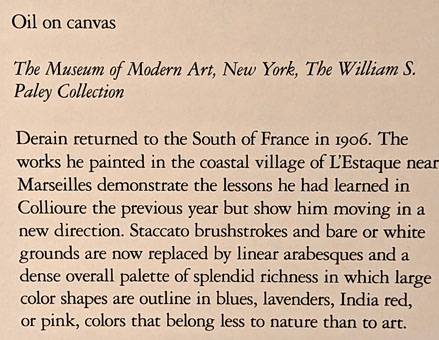
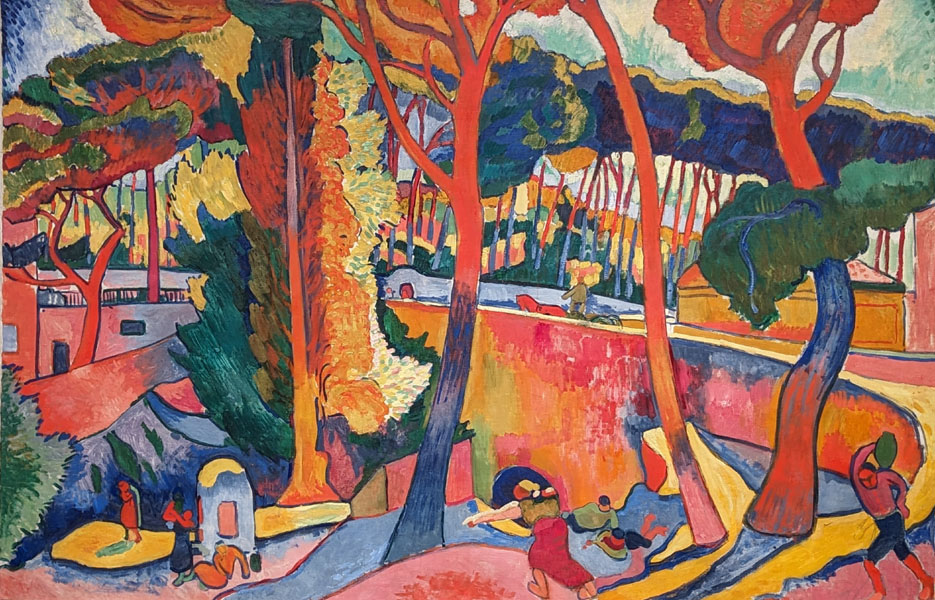
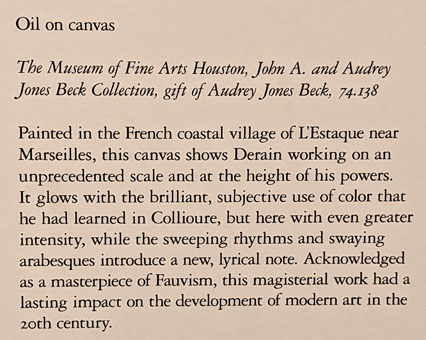
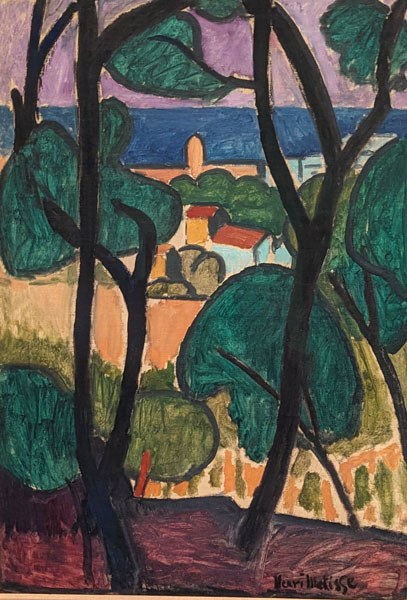
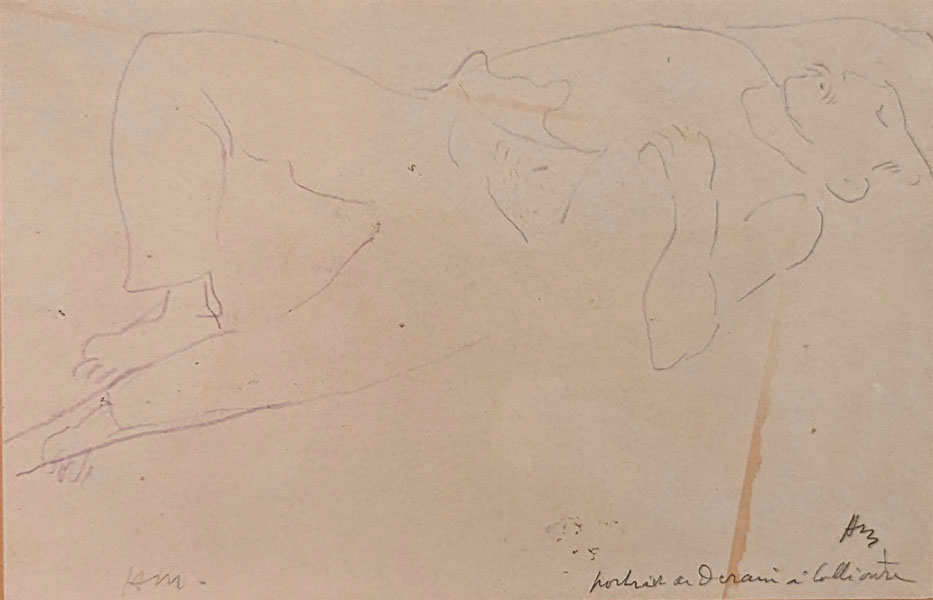
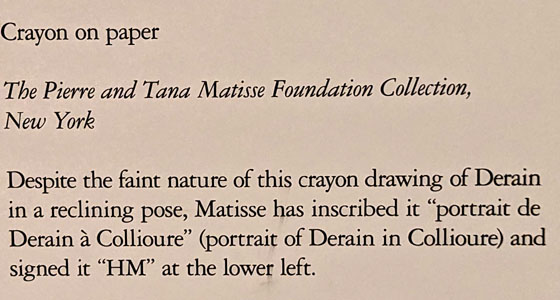
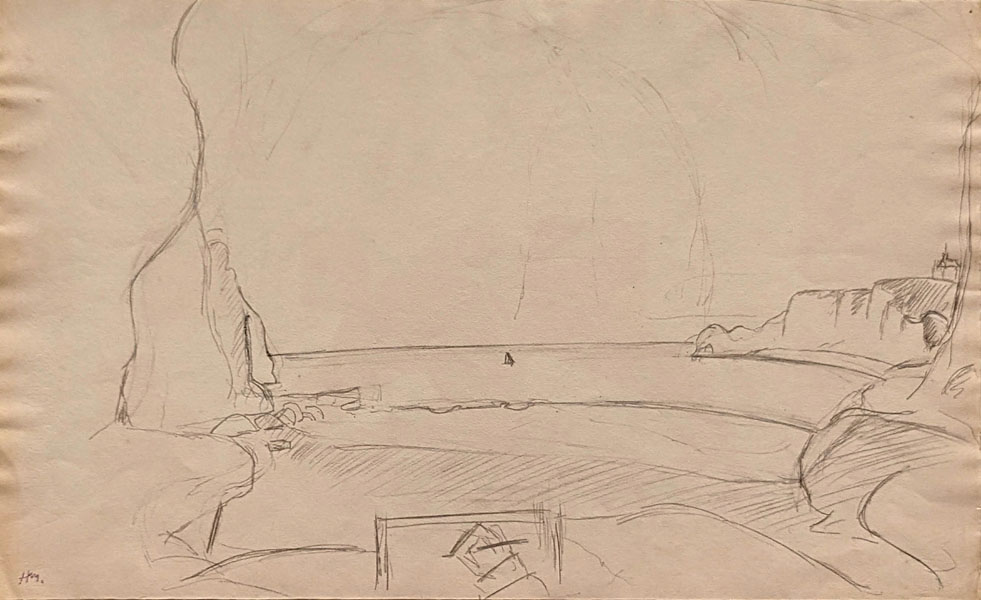
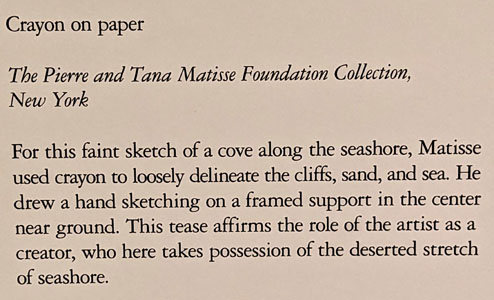
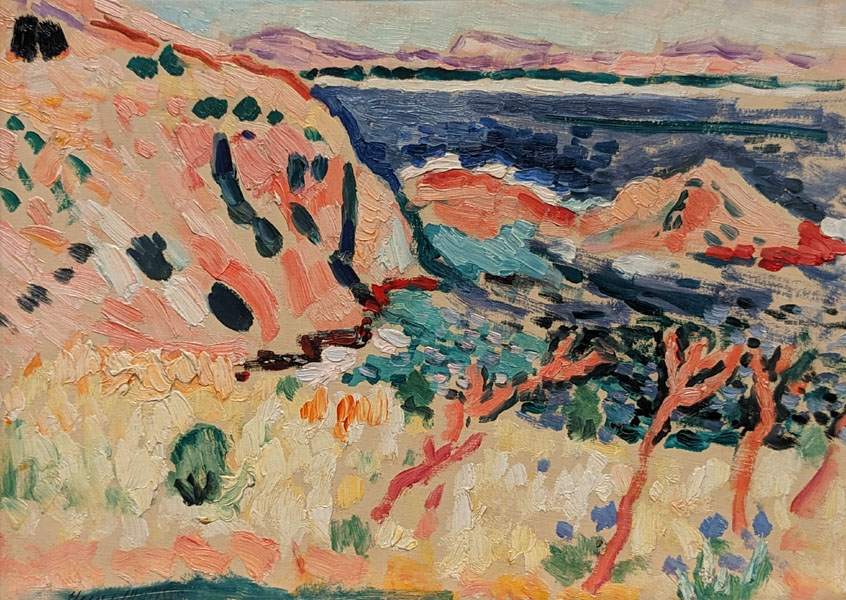
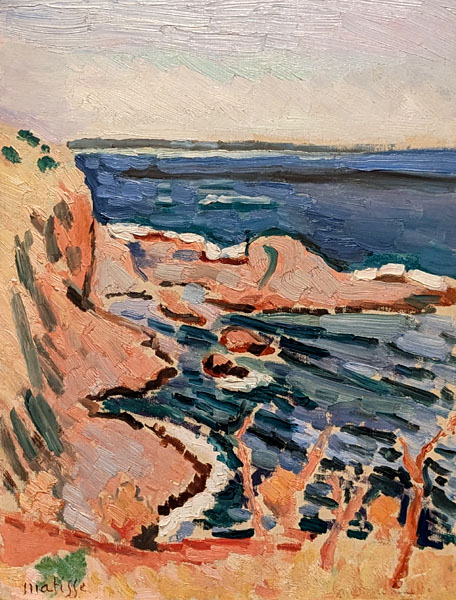
When we returned from Bayou Bend, we went immediately over to the Houston Museum of Fine Arts to get tickets and see the exhibit of the works of Matisse and Derain during and after their time in Collioure in the south of France in 1905. As was the Van Gogh exhibit a few years ago, this one was very, very well done.
|
| "Like a shower of confetti, the paintings and watercolors ... pop with festive colors as they set the stage for the perfect introduction to Fauvism." |
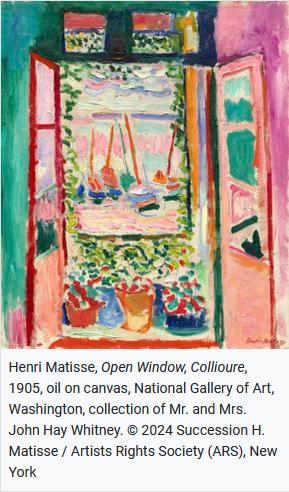
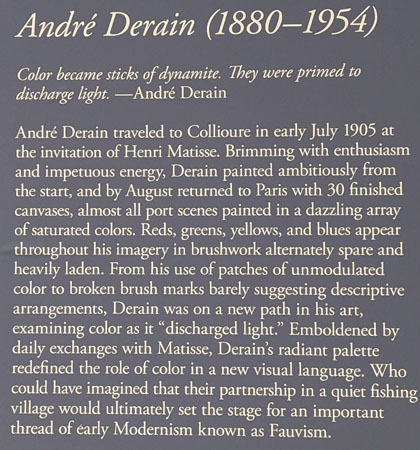
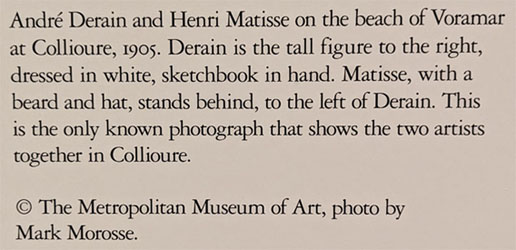
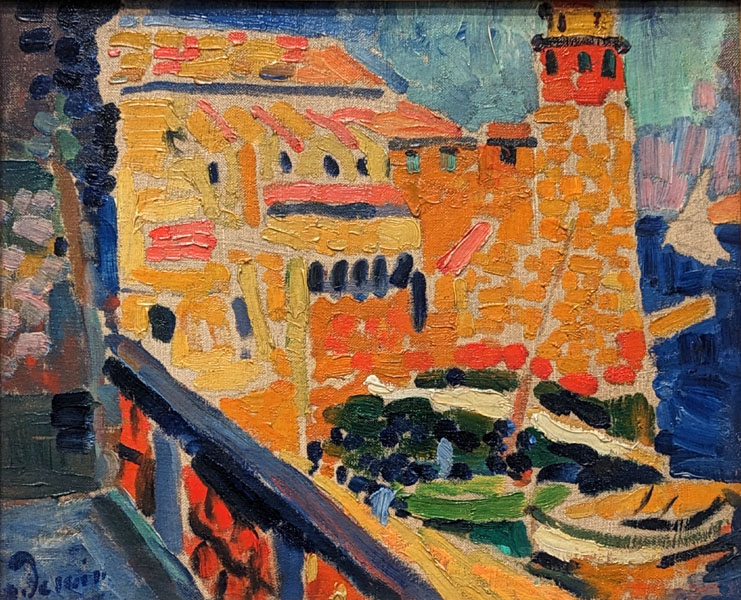
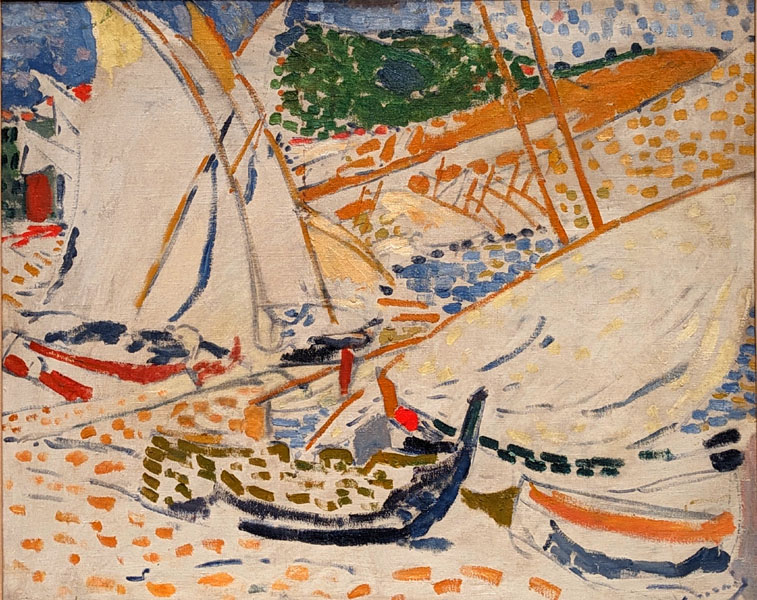
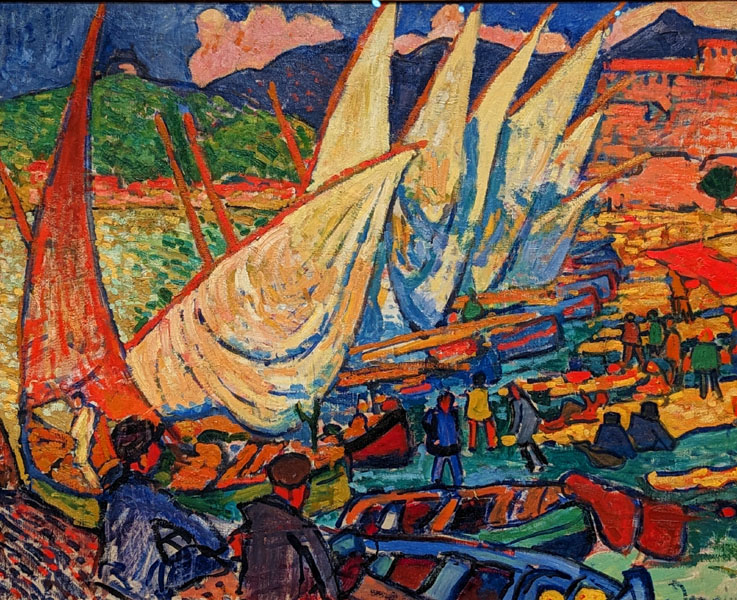
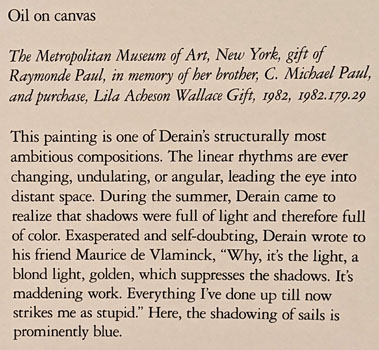
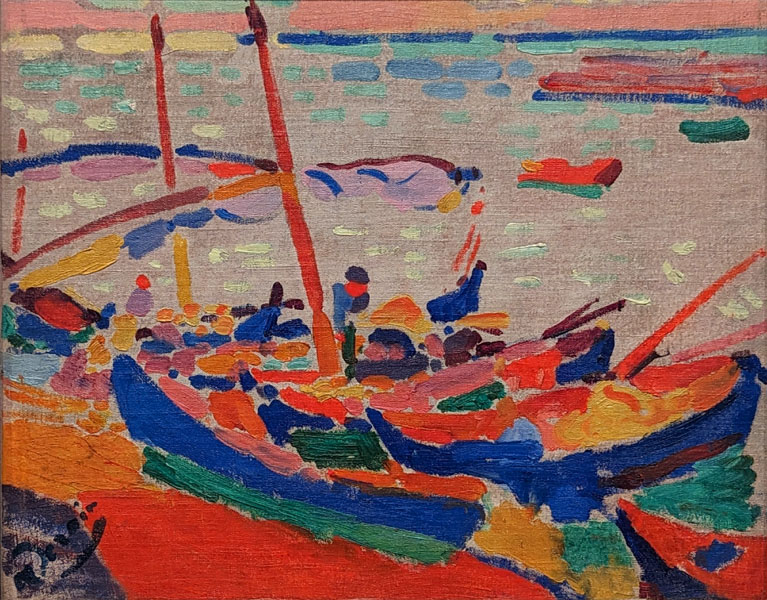
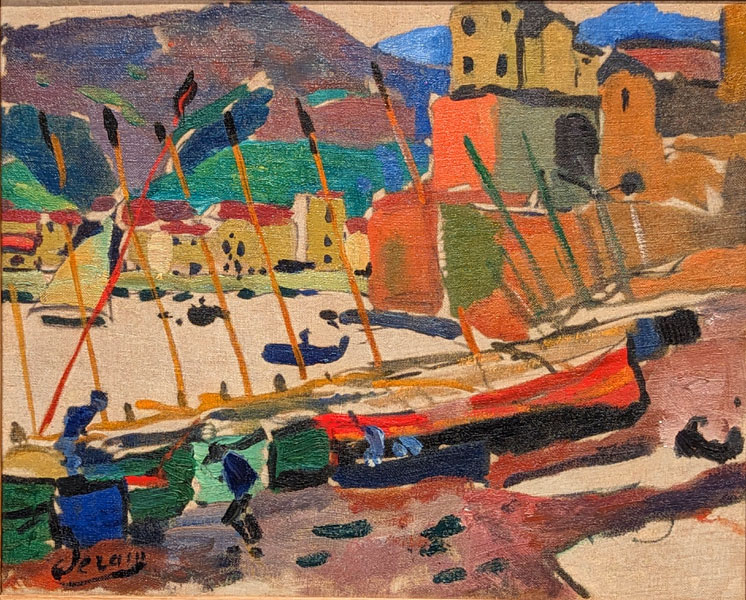
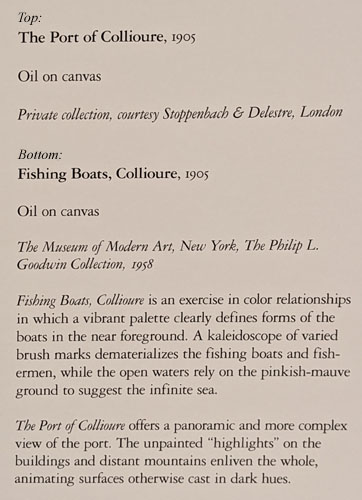
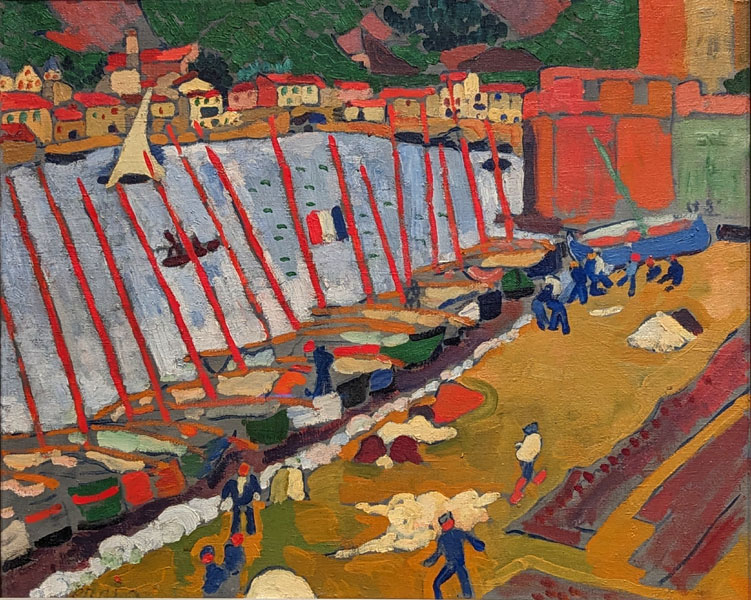
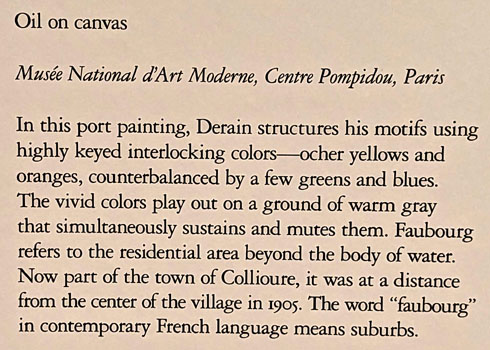
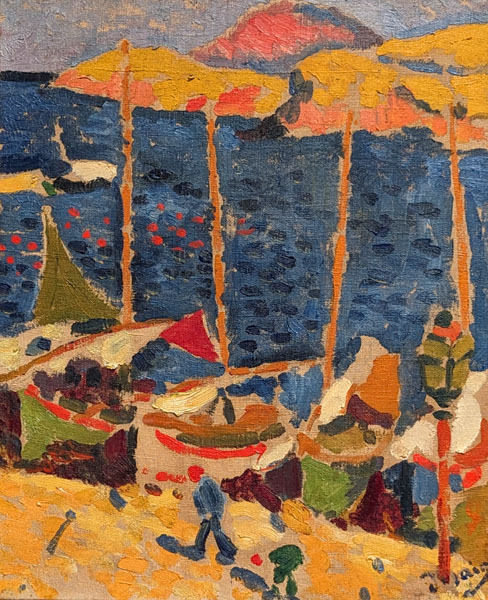
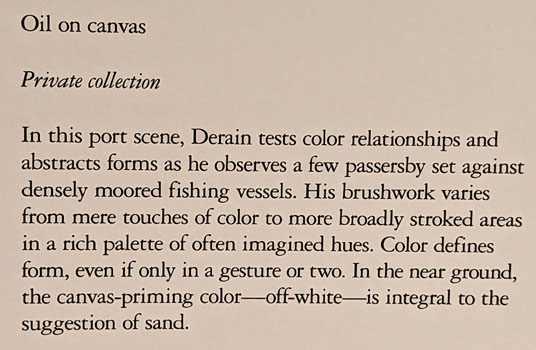
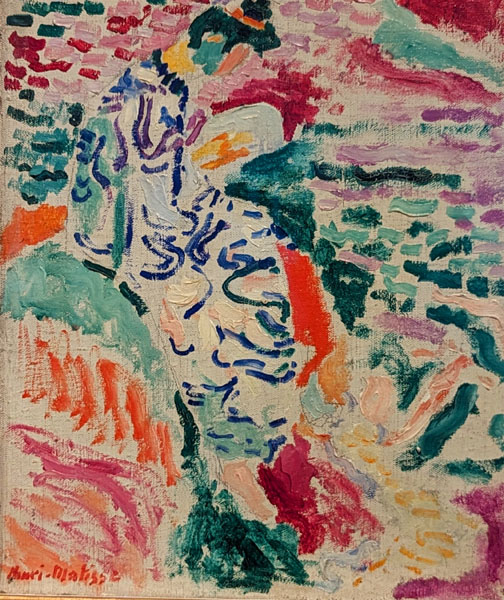
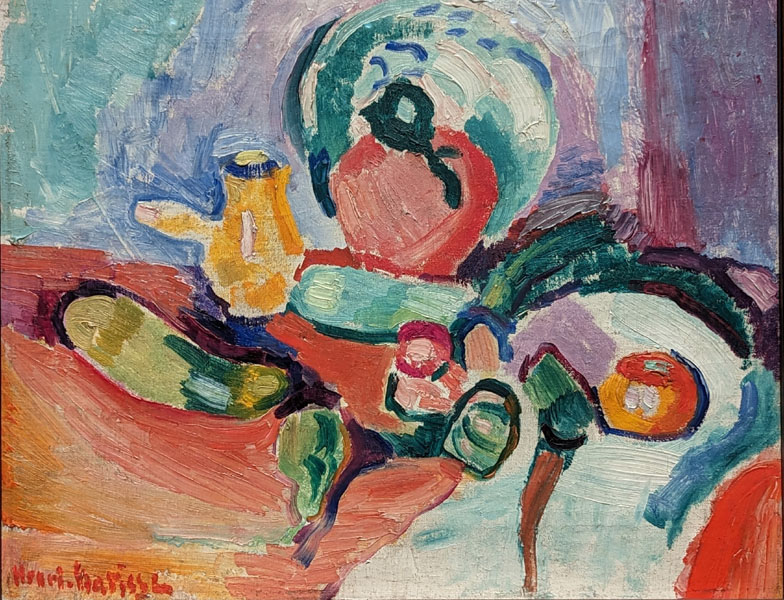
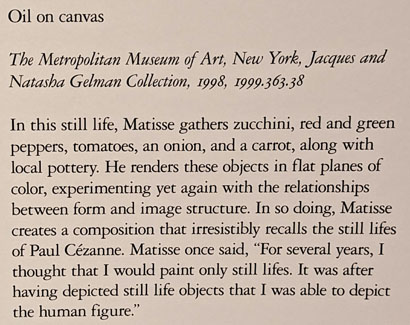
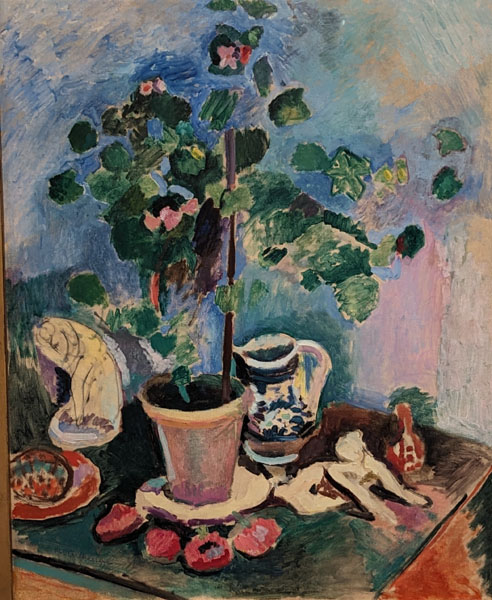
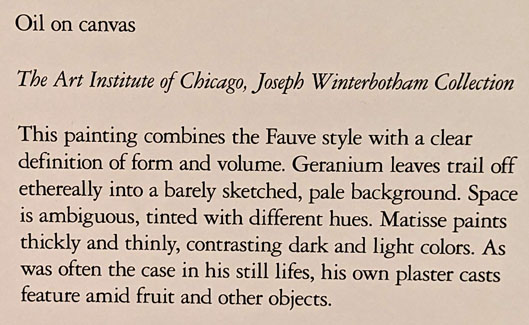
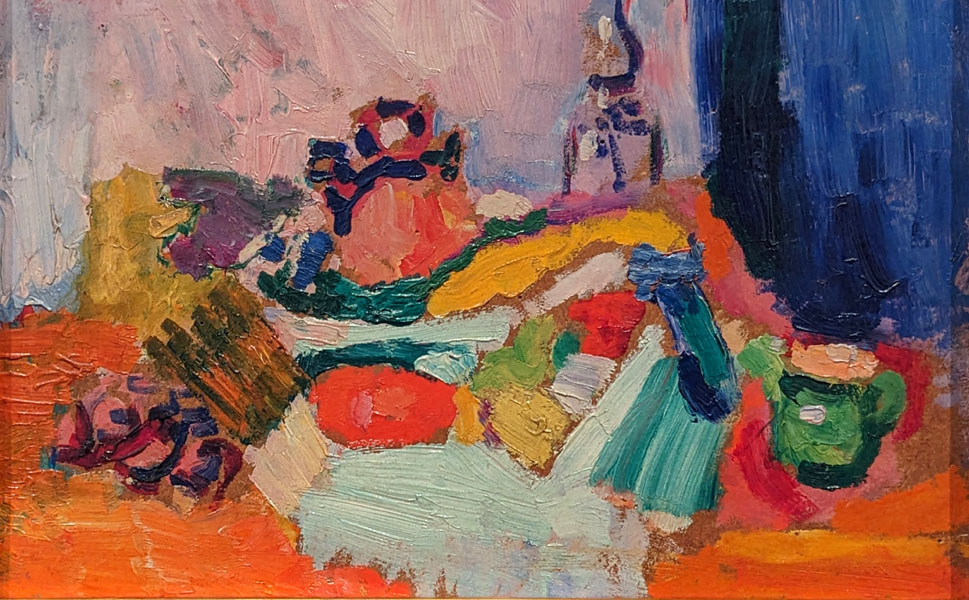
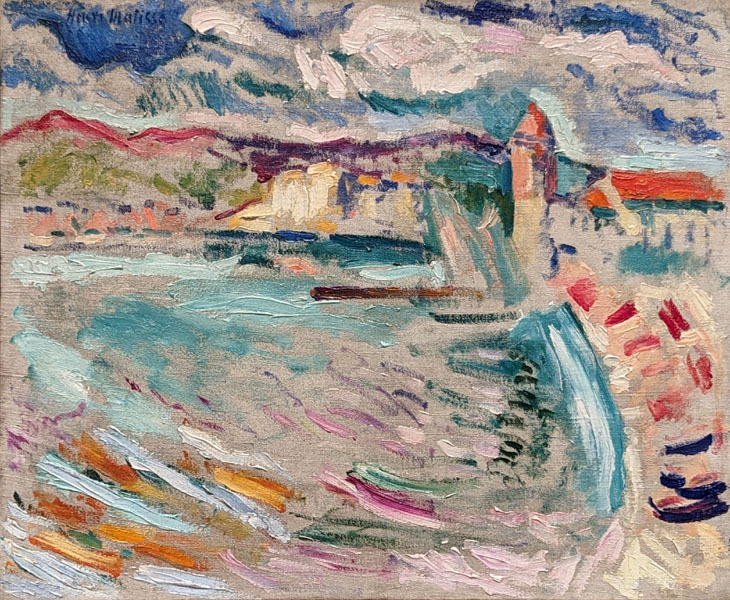
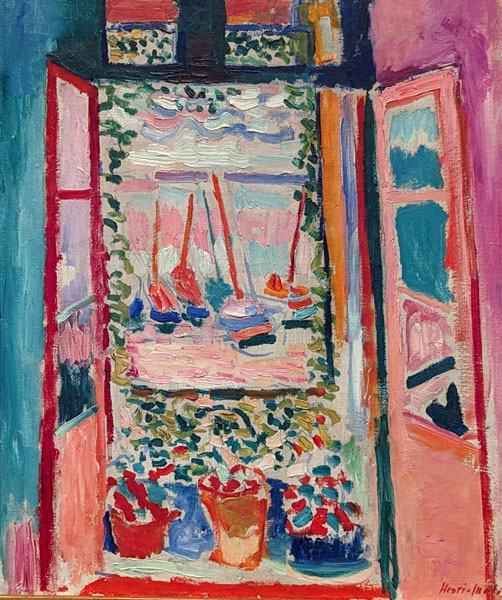
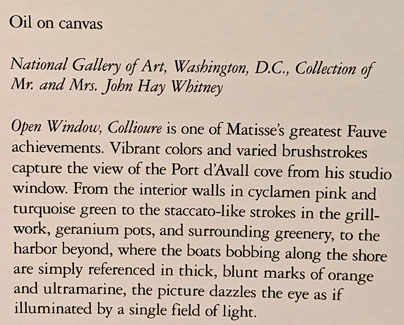
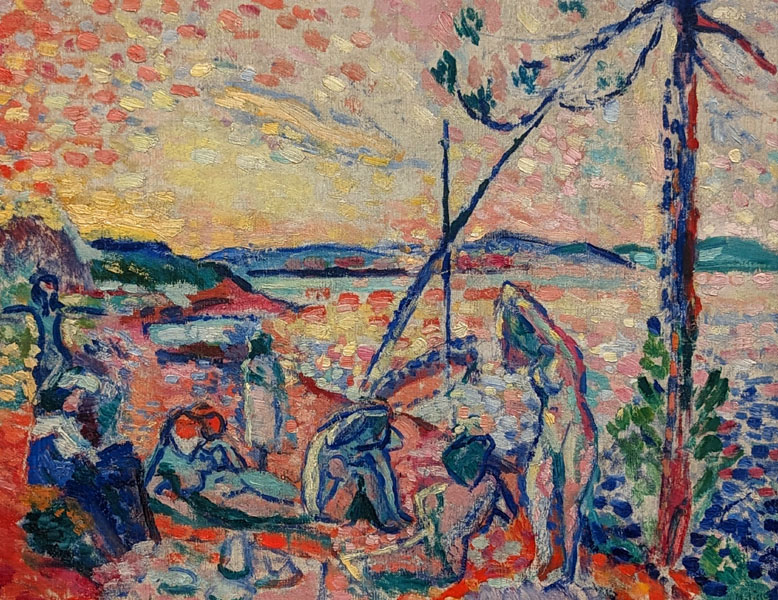
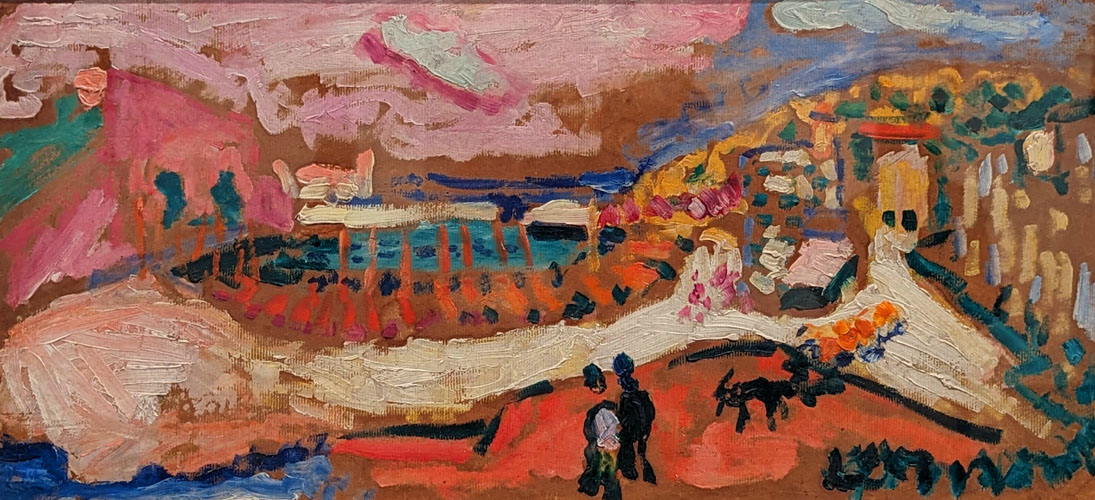
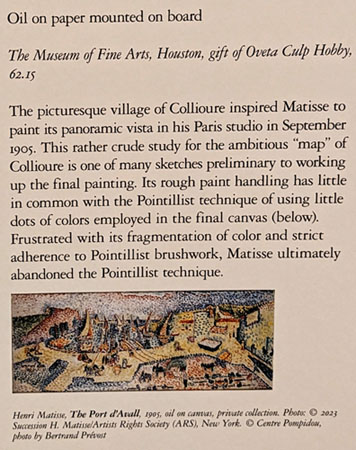
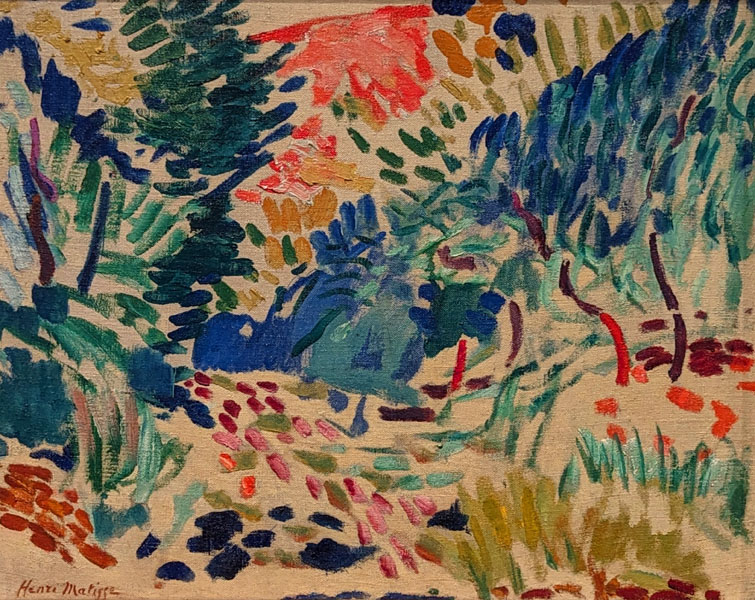
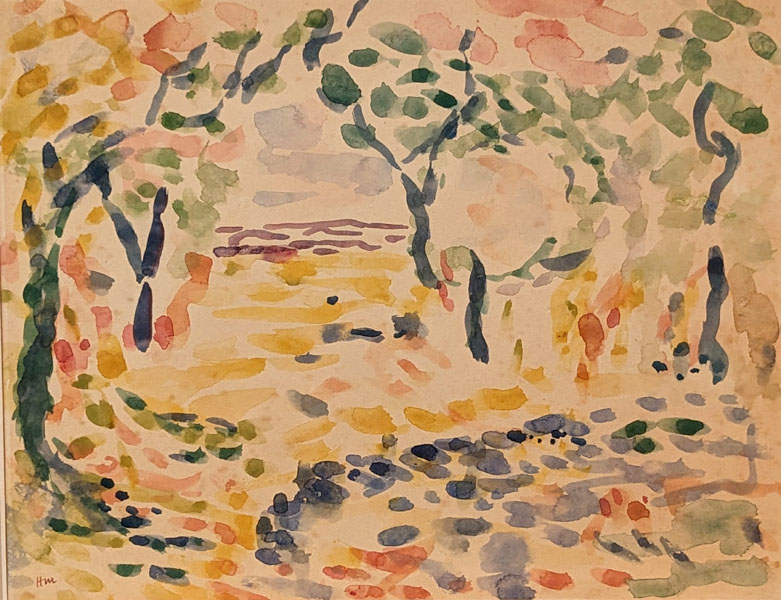
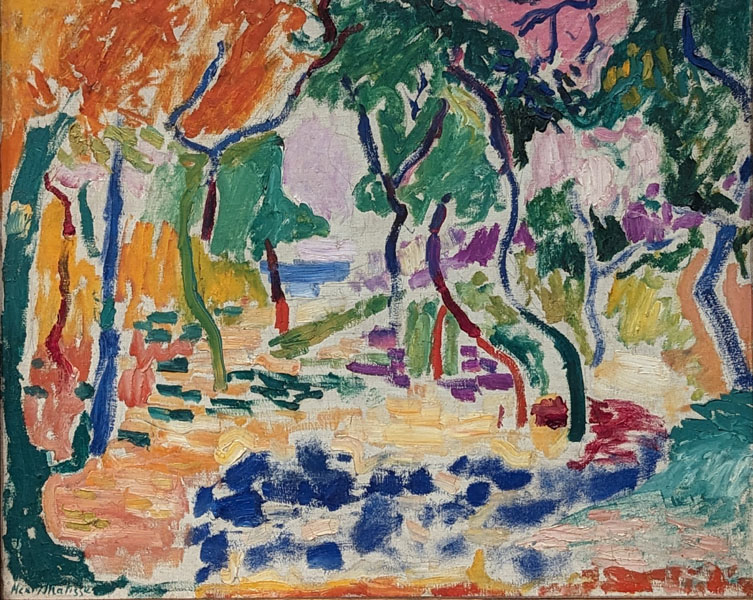
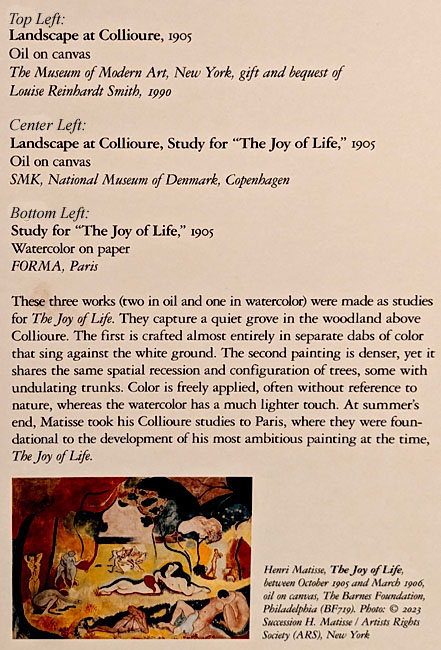
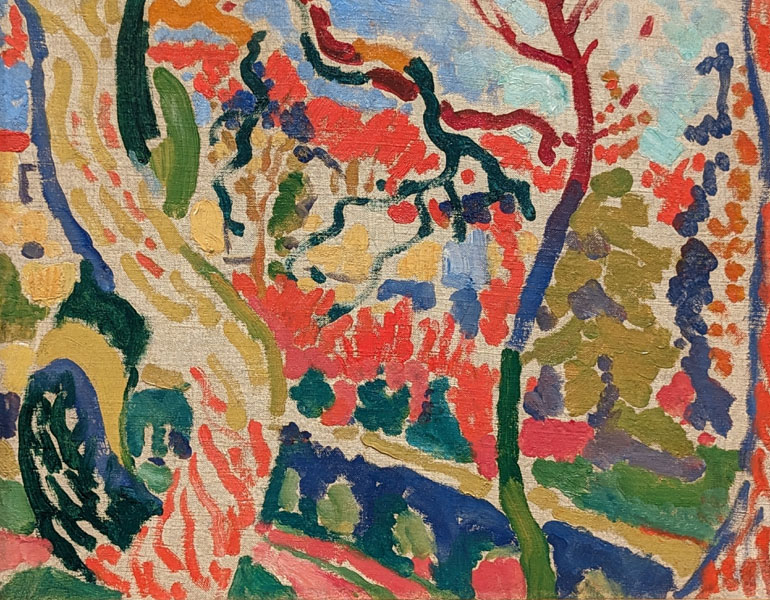
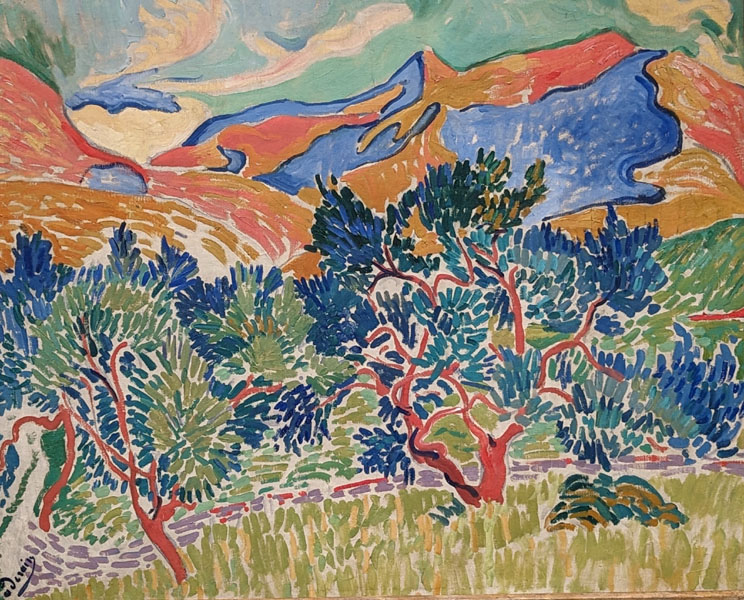
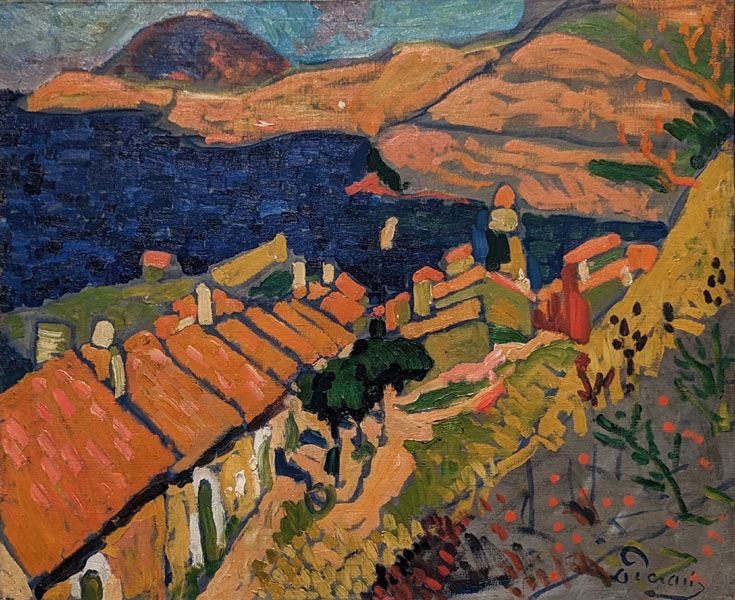
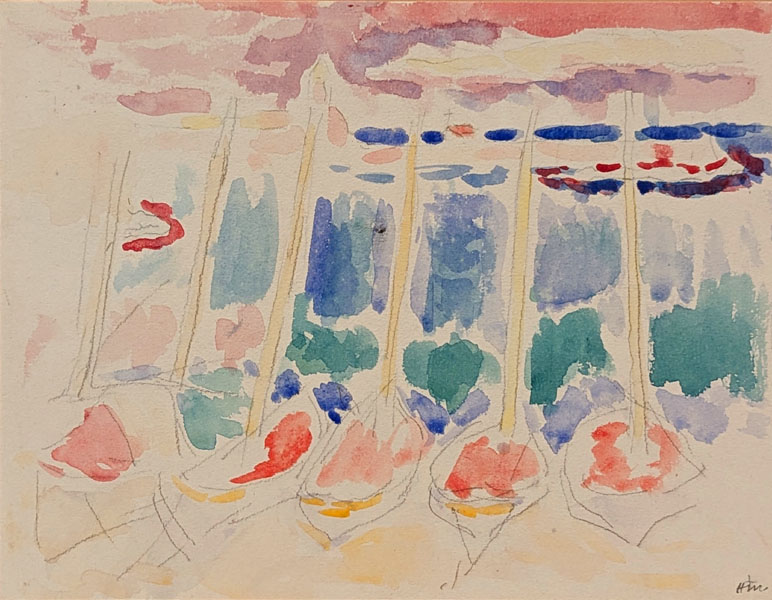
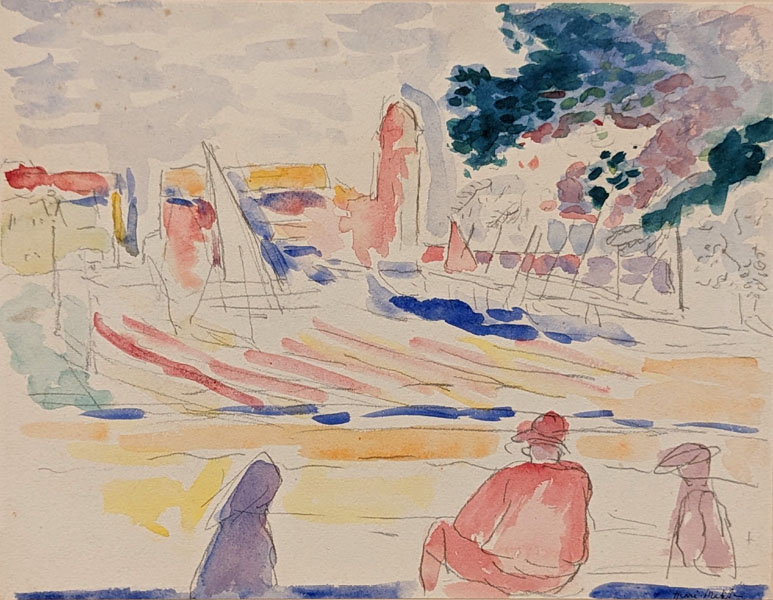
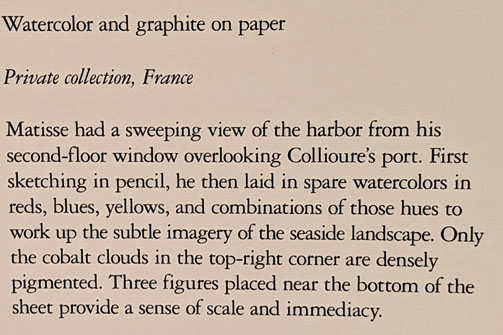
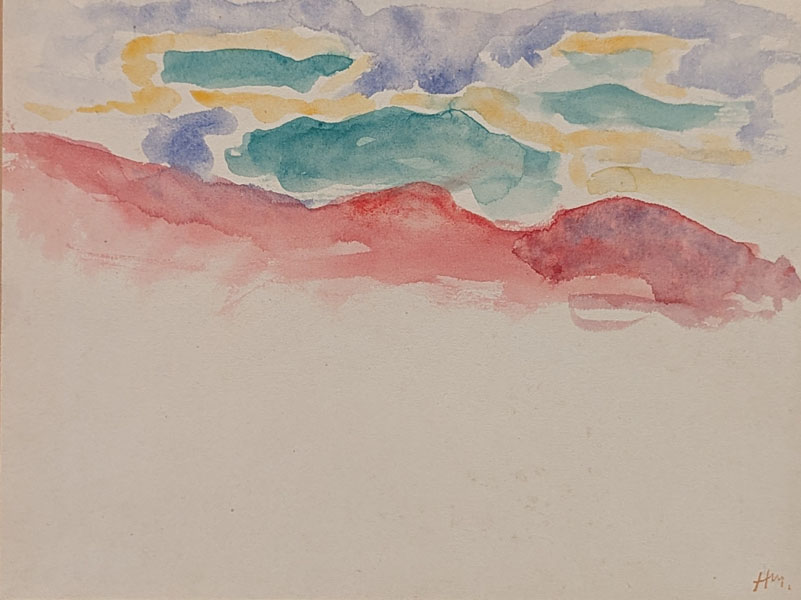
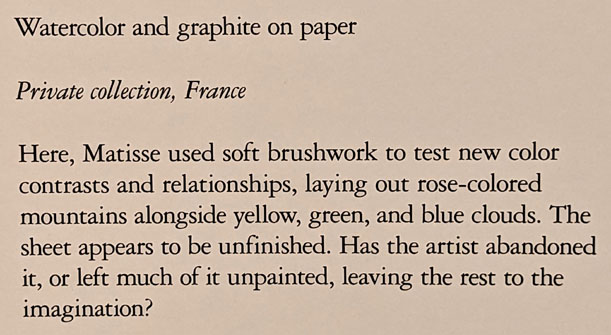
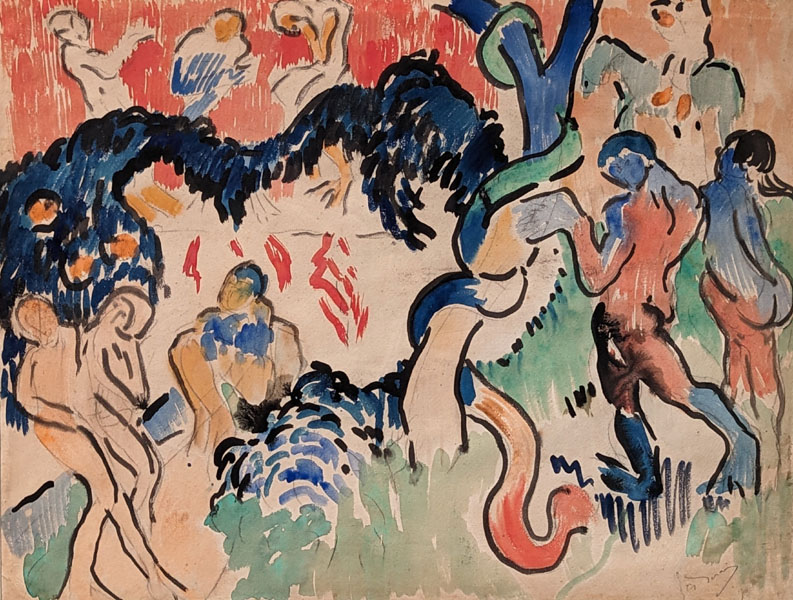
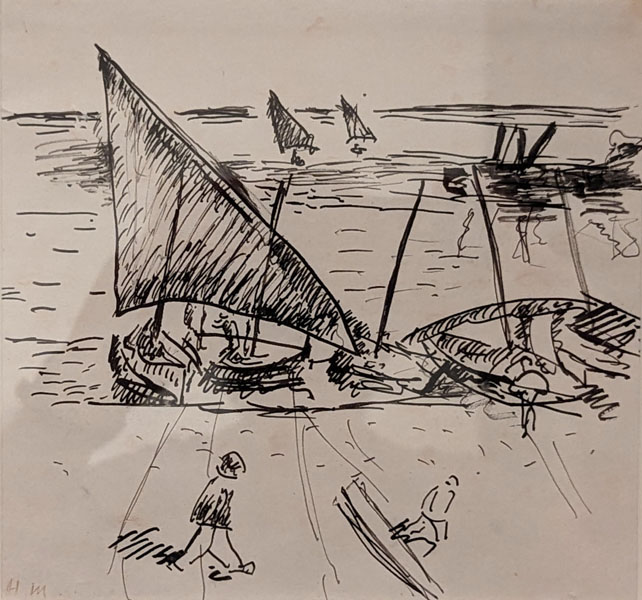
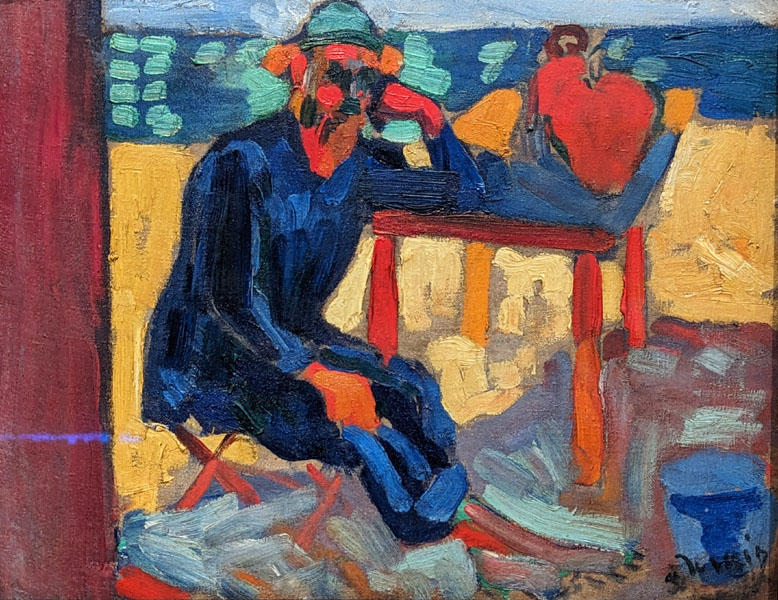
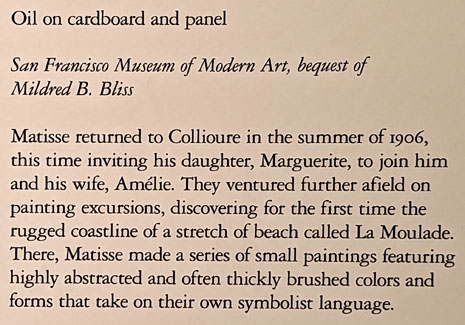
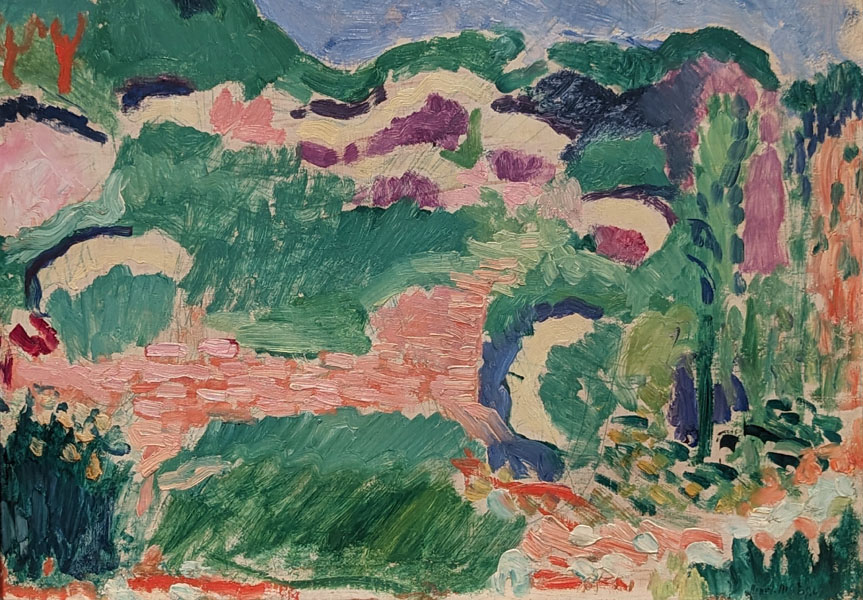
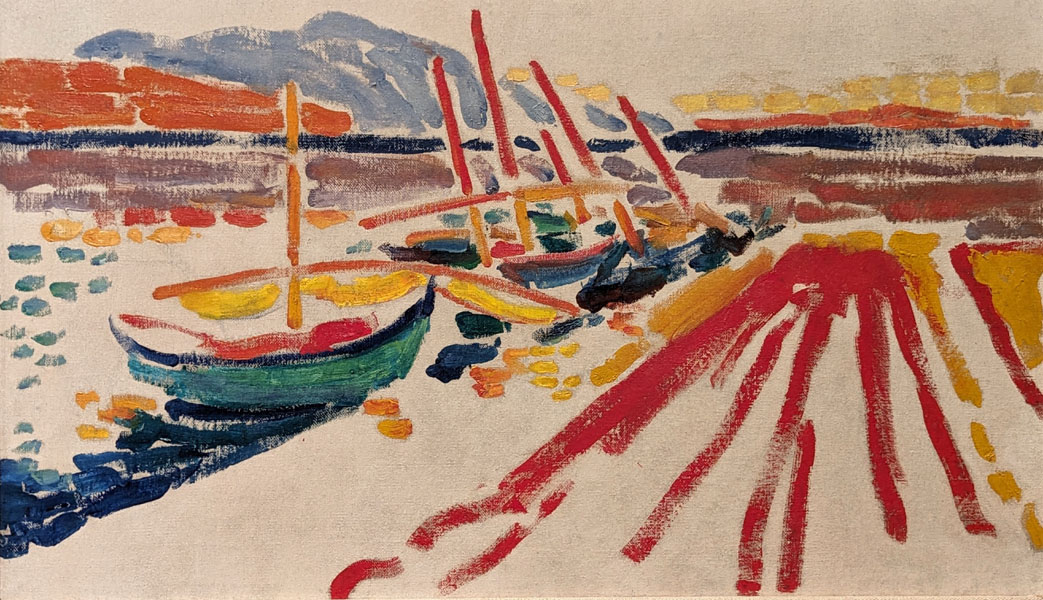
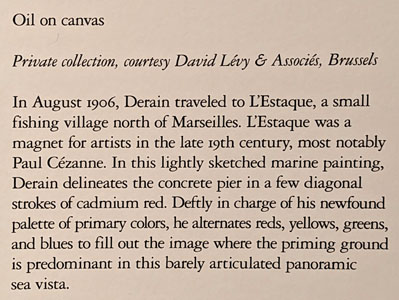
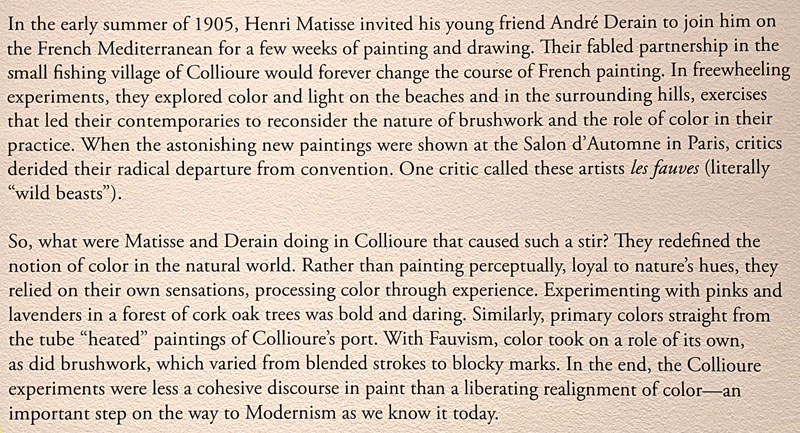
In the summer of 1905, Henri Matisse and André Derain embarked on a creative partnership that would change the course of French painting. The two painters experimented with daring directions in energetic bursts of color, form, and structure that eventually led to a boldly inventive artistic language known as Fauvism (from the French fauve, or “wild beast”).
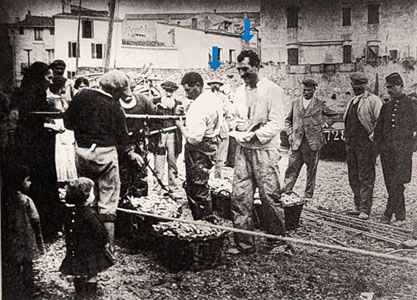
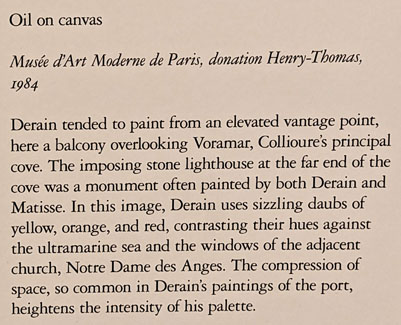
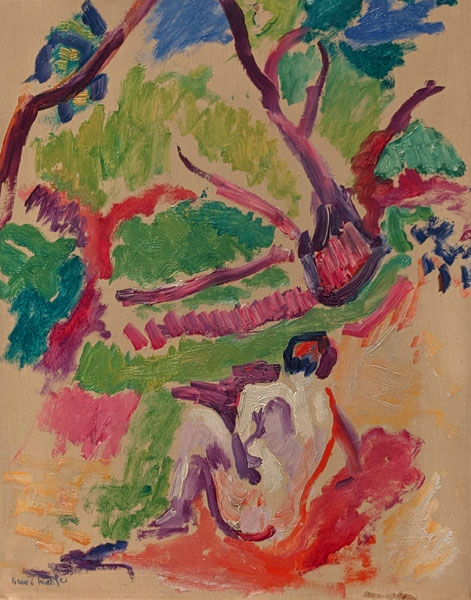
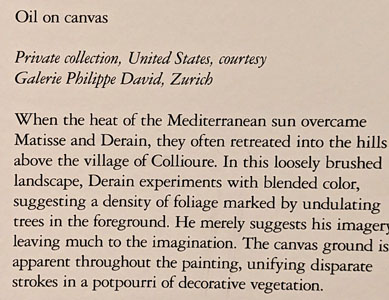
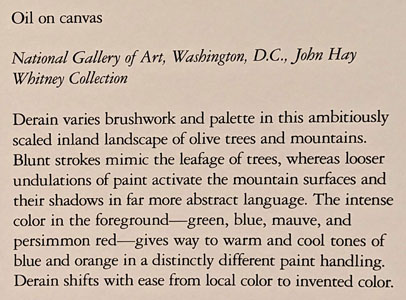
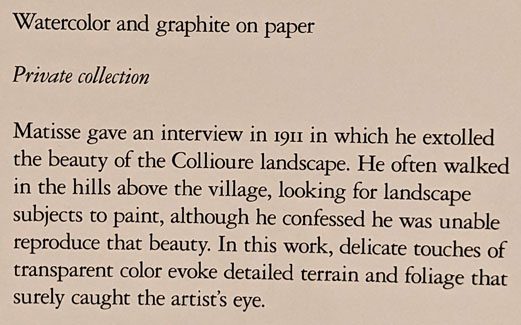
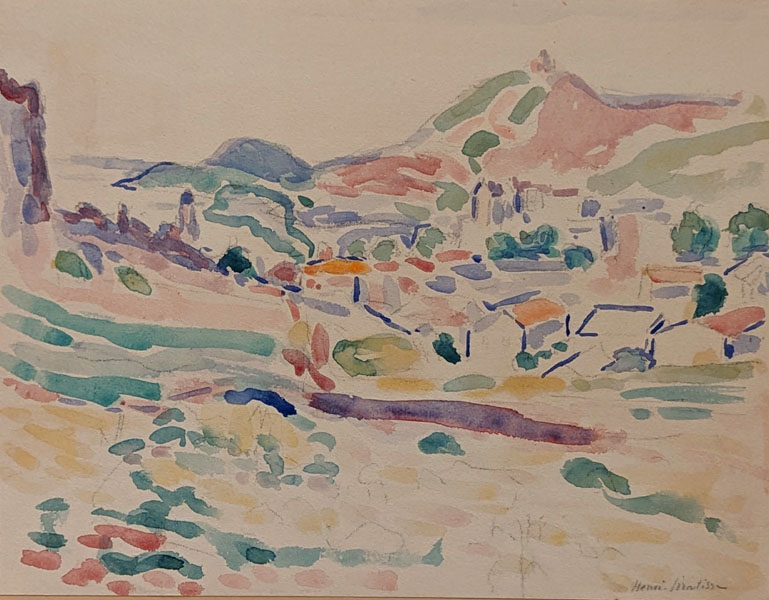
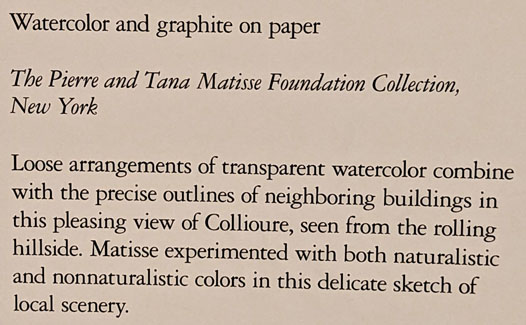
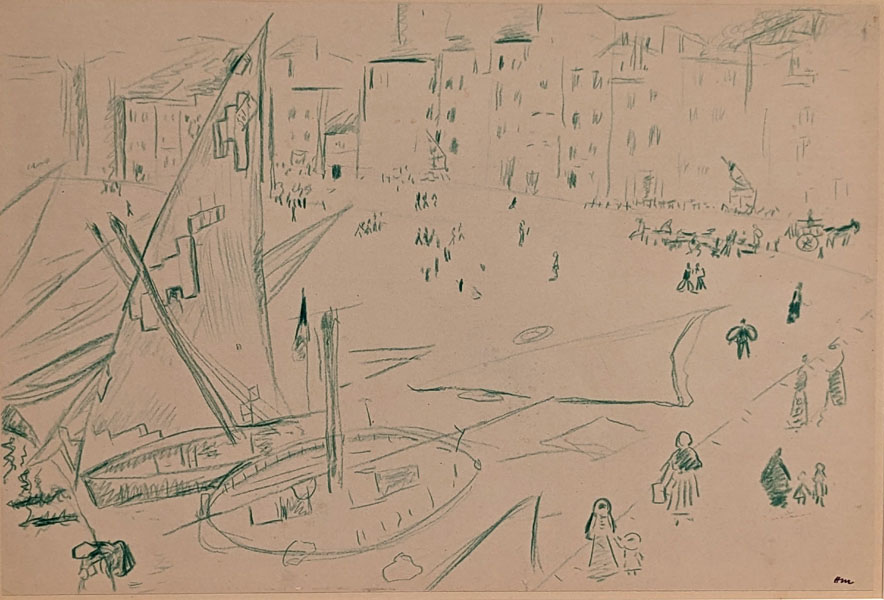
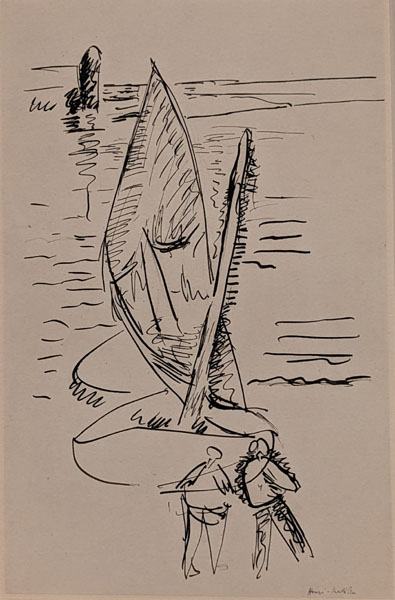
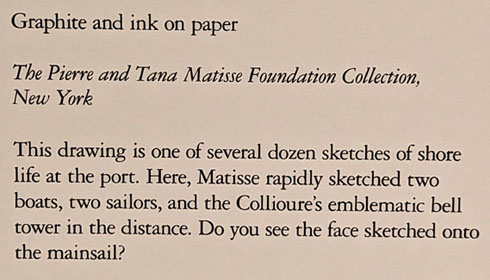
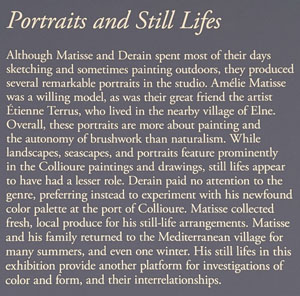
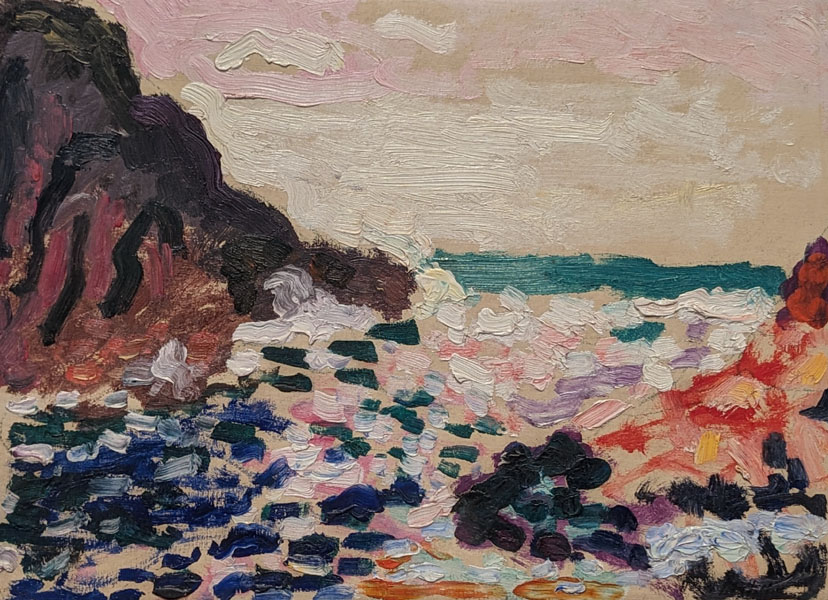
While staying in the modest French fishing village of Collioure, Matisse (1869–1954) and Derain (1880–1954) drew from local surroundings as they experienced the bustling life of the port, the quiet beaches, and surrounding landscapes. A new aesthetic of color and light was in process.
|
|
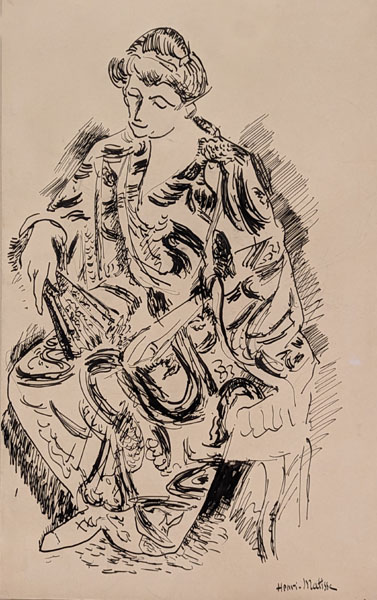
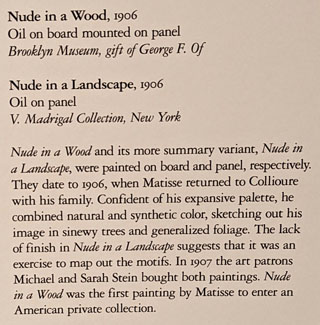
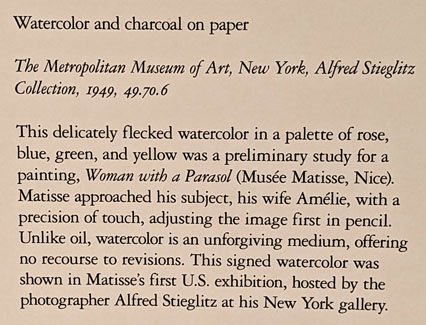
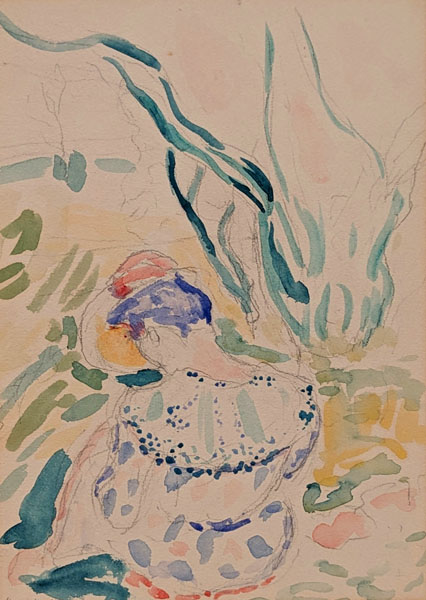
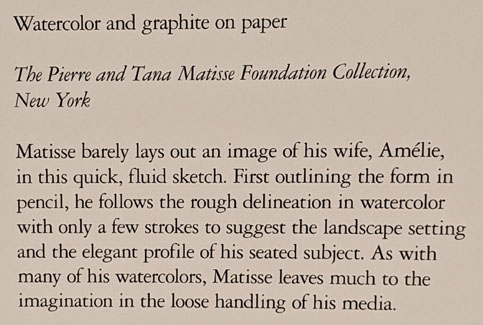
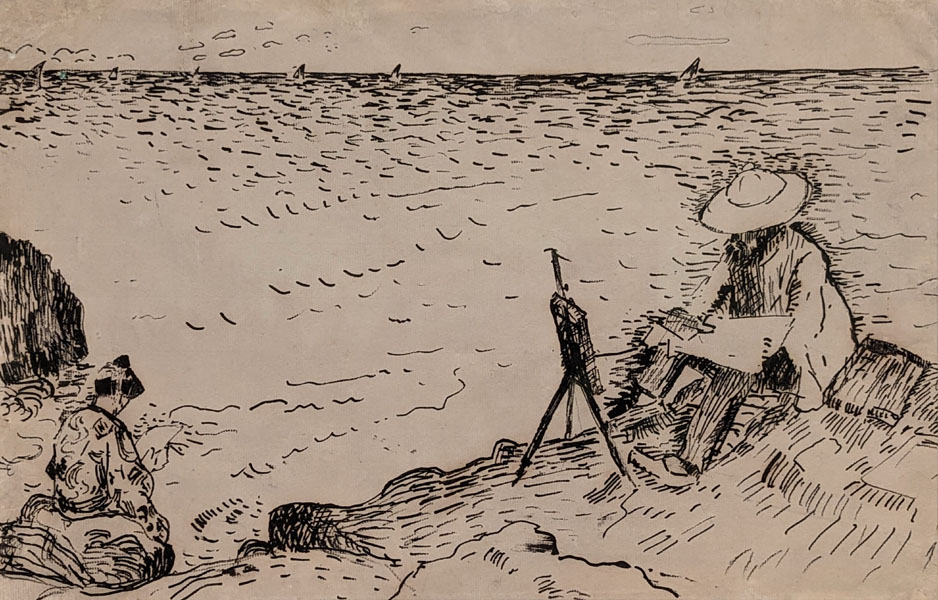
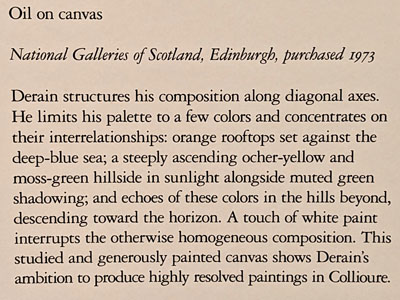
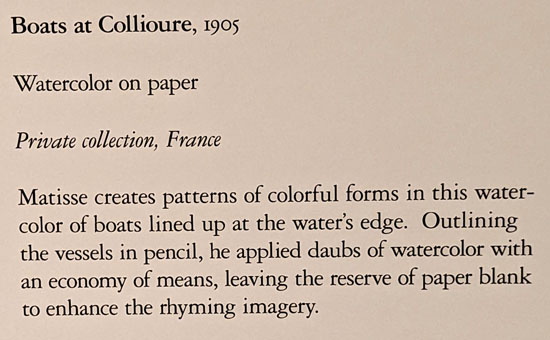
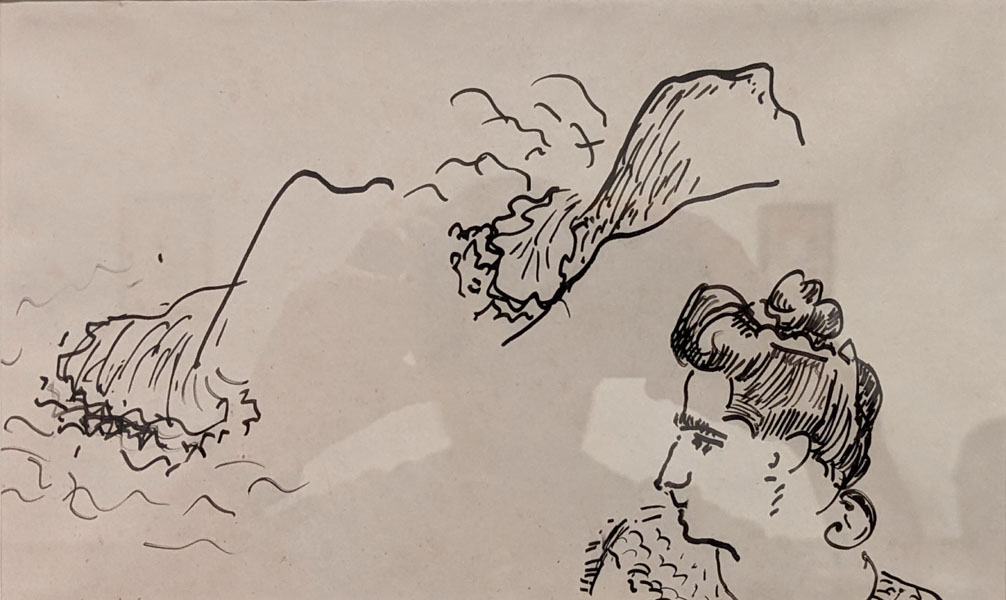
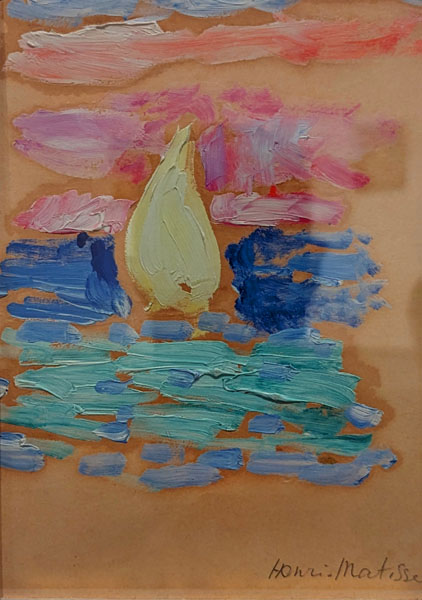
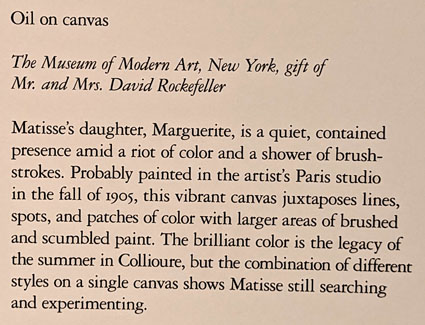
"Vertigo of Color" features many of the most celebrated works of Fauvism. The exhibition presents, for the first time in the United States, the legacy of that legendary summer through paintings, drawings, and watercolors by the two artists, on loan from national and international museums and private collections.
Their evolving visual language grew from sensory experience of a moment in time, rather than reality. As Matisse wrote, “My choice of colors does not rest on any scientific theory; it is based on observation, on feeling, on the experience of my sensibility.”
The Exhibit
One note:
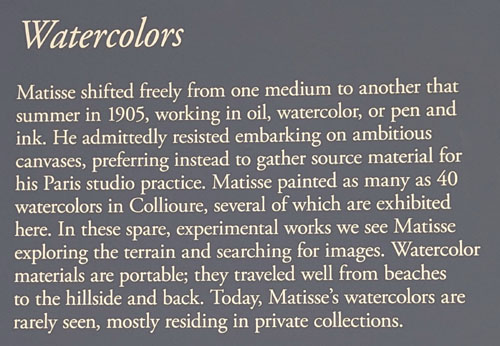
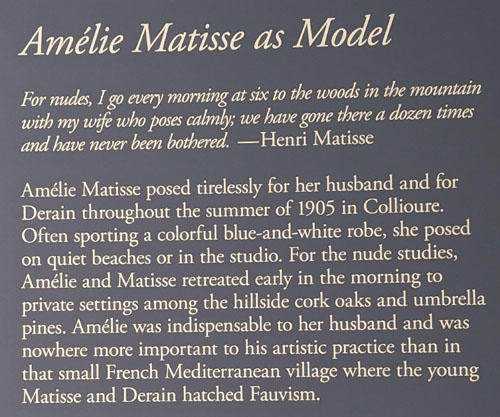
The way the works were organized on the walls of the exhibit, and the way the walls were positioned, it did not seem as if there was one fixed path through the exhibit. For example, I noted one placard discussing Madame Matisse as a model for the two painters, but not all of the works featuring her were right next to that placard. I have tried to organize the works as if this had been true, but I have not been entirely successful.
 |
 |
|
|
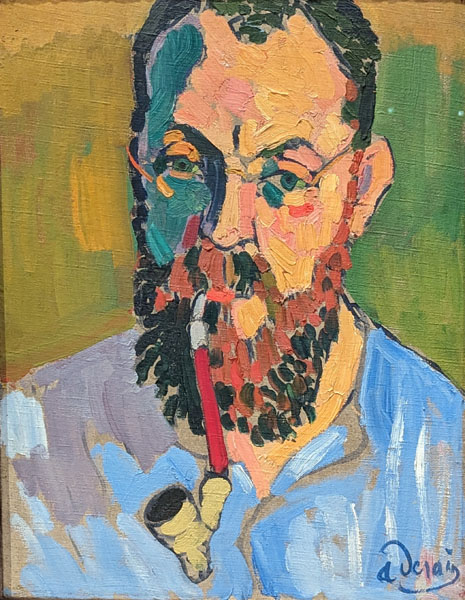
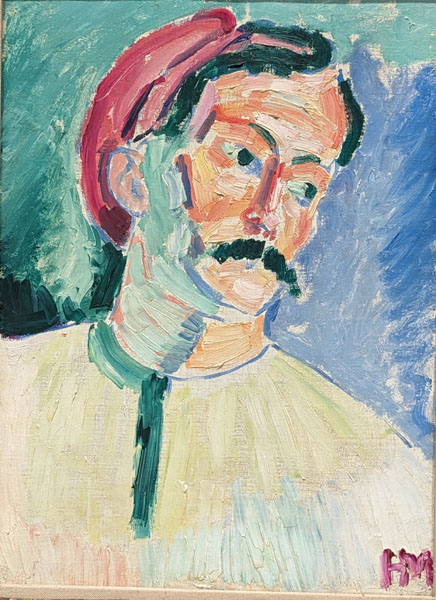
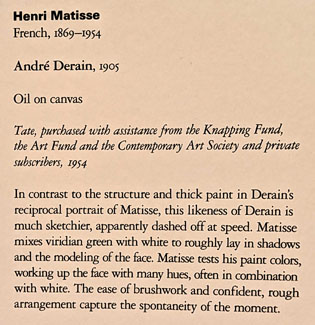
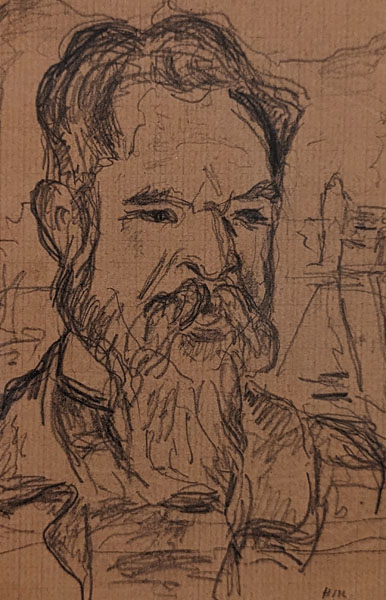
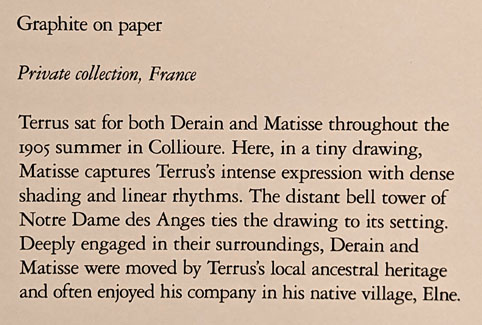
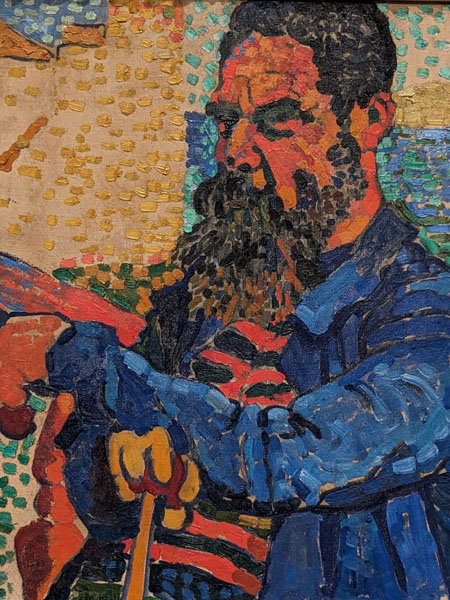
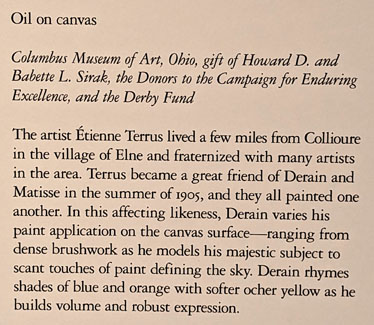
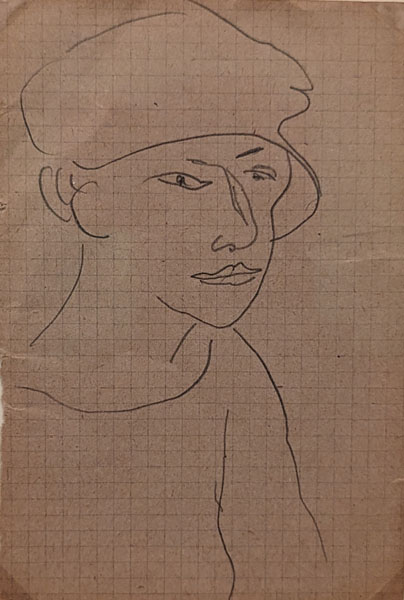
Two of the first works in the exhibit were portraits of each artist done by the other;
(Click to Enlarge) |
|
(Click to Enlarge) |
|
|
|
(Click to Enlarge) |
André Derain
|
(Click to Enlarge) |
André Derain
|
(Click to Enlarge)
(Click to Enlarge) |
André Derain
|
(Click to Enlarge) |
André Derain
|
(Click to Enlarge)
(Click to Enlarge) |
André Derain
|
(Click to Enlarge) |
André Derain
|
(Click to Enlarge) |
André Derain
|
| André Derain
(Click to Enlarge) |
|
| Henri Matisse
(Click to Enlarge) |
|
| Henri Matisse
(Click to Enlarge) |
|
Henri Matisse
(Click to Enlarge) |
| Henri Matisse
(Click to Enlarge) |
|
| Henri Matisse
(Click to Enlarge) |
|
| Henri Matisse
(Click to Enlarge) |
|
| Henri Matisse
Madame Matisse" (1905) (Click to Enlarge) |
|
| André Derain
(Click to Enlarge) |
|
| Henri Matisse
(Click to Enlarge) |
|
| Henri Matisse
(Click to Enlarge) |
|
| Henri Matisse
(Click to Enlarge) |
|
| Henri Matisse
(Click to Enlarge) |
|
| Henri Matisse
(Click to Enlarge) |
|
| Henri Matisse
(Click to Enlarge) |
|
| Henri Matisse
(Click to Enlarge) |
|
| André Derain
(Click to Enlarge) |
|
| André Derain
(Click to Enlarge) |
|
| Henri Matisse
(Click to Enlarge) |
|
| Henri Matisse
(Click to Enlarge) |
|
| Henri Matisse
(Click to Enlarge) |
|
| Henri Matisse
(Click to Enlarge) |
|
| Henri Matisse
(Click to Enlarge) |
|
|
|
(Click to Enlarge) |
|
(Click to Enlarge) |
|
|
|
 |
| Henri Matisse
(Click to Enlarge) |
|
| Henri Matisse
(Click to Enlarge) |
|
| Henri Matisse
(Click to Enlarge) |
|
| Henri Matisse
(Click to Enlarge) |
|
| Henri Matisse
|
|
| André Derain
(Click to Enlarge) |
|
 |
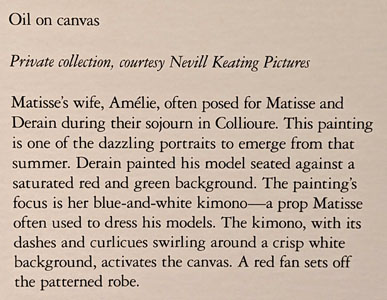
Madame Matisse in a Kimono" (1905) (Click to Enlarge) |
|
|
|
|
|
|
|
(Click to Enlarge) |
|
(Click to Enlarge) |
|
(Click to Enlarge) |
|
(Click to Enlarge) |
|
(Click to Enlarge) |
|
|
|
|
(Click to Enlarge) |
|
(Click to Enlarge) |
|
(Click to Enlarge) |
|
(Click to Enlarge) |
|
| Henri Matisse
(Click to Enlarge) |
|
(Click to Enlarge) |
|
(Click to Enlarge) |
|
(Click to Enlarge) |
|
(Click to Enlarge) |
|
That concludes our trip through the Fauvism exhibit. I hope you have enjoyed it.
We all drove back to San Antonio where we stayed another night with Ron and Prudence before driving back to Dallas.
You can use the links below to continue to another photo album page.
|
May 8 - June 2, 2024: A Trip to Ecuador |
|
April 8, 2024: The Total Eclipse of the Sun |
|
Return to the Index for 2024 |